











Understanding CNC Plate Rolling Machines: Essential Insights for Professionals
Release Time:
2026-10-11

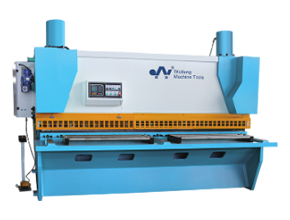
CNC plate rolling machines are vital tools in the field of manufacturing and metal fabrication. Designed to bend and shape metal plates into cylindrical or conical forms, these machines employ advanced technology to ensure precision and efficiency. By utilizing computer numerical control (CNC), operators can achieve high levels of accuracy in their work, significantly reducing the potential for human error.
One of the primary advantages of CNC plate rolling machines is their ability to handle a variety of materials. Whether working with steel, aluminum, or other alloys, these machines are engineered to accommodate both thick and thin plates. This versatility makes them indispensable in industries that require custom components, such as shipbuilding, construction, and aerospace.
Moreover, CNC plate rolling machines enhance productivity. The automation involved in CNC operations allows for faster production cycles, enabling manufacturers to meet tight deadlines without compromising on quality. The machines can also be programmed to execute complex rolling patterns, minimizing the need for manual adjustments and rework. This not only saves time but also ensures a more consistent output, which is critical when precision is paramount.
In terms of design, modern CNC plate rolling machines come equipped with various features that enhance user experience and operational efficiency. For instance, many models feature intuitive touchscreen interfaces that simplify the programming process. Operators can input specific parameters directly, leading to quicker setup times and reduced training requirements for new staff.
Safety is another crucial aspect of CNC plate rolling machines. Many modern devices are designed with built-in safety features, such as emergency stop buttons and protective barriers. These enhancements help mitigate risks associated with operating heavy machinery, thereby promoting a safer work environment.
When it comes to maintenance, CNC plate rolling machines require regular attention to maintain optimal performance. Routine checks on components such as hydraulic systems, alignment, and control software are essential to prevent breakdowns and prolong the machine's lifespan. Moreover, staying up-to-date with the latest technological advancements can significantly enhance the operational capabilities of these machines.
In summary, CNC plate rolling machines are integral to the manufacturing and metalworking industries, delivering precision, efficiency, and versatility. Their capacity to automate complex processes and accommodate diverse materials makes them a preferred choice for businesses looking to streamline their production capabilities. Understanding the nuances of these machines can empower professionals to make informed decisions that enhance productivity and safety in their operations.
One of the primary advantages of CNC plate rolling machines is their ability to handle a variety of materials. Whether working with steel, aluminum, or other alloys, these machines are engineered to accommodate both thick and thin plates. This versatility makes them indispensable in industries that require custom components, such as shipbuilding, construction, and aerospace.
Moreover, CNC plate rolling machines enhance productivity. The automation involved in CNC operations allows for faster production cycles, enabling manufacturers to meet tight deadlines without compromising on quality. The machines can also be programmed to execute complex rolling patterns, minimizing the need for manual adjustments and rework. This not only saves time but also ensures a more consistent output, which is critical when precision is paramount.
In terms of design, modern CNC plate rolling machines come equipped with various features that enhance user experience and operational efficiency. For instance, many models feature intuitive touchscreen interfaces that simplify the programming process. Operators can input specific parameters directly, leading to quicker setup times and reduced training requirements for new staff.
Safety is another crucial aspect of CNC plate rolling machines. Many modern devices are designed with built-in safety features, such as emergency stop buttons and protective barriers. These enhancements help mitigate risks associated with operating heavy machinery, thereby promoting a safer work environment.
When it comes to maintenance, CNC plate rolling machines require regular attention to maintain optimal performance. Routine checks on components such as hydraulic systems, alignment, and control software are essential to prevent breakdowns and prolong the machine's lifespan. Moreover, staying up-to-date with the latest technological advancements can significantly enhance the operational capabilities of these machines.
In summary, CNC plate rolling machines are integral to the manufacturing and metalworking industries, delivering precision, efficiency, and versatility. Their capacity to automate complex processes and accommodate diverse materials makes them a preferred choice for businesses looking to streamline their production capabilities. Understanding the nuances of these machines can empower professionals to make informed decisions that enhance productivity and safety in their operations.
Previous Page:
Related News
NanTong HAVI CNC Machinery Co., Ltd.
Phone/WhatsApp: +86 17606524813
Address: Libao Development Area,HaiAn jiangsu China