











The Future of Metal Bending: Innovations in Hydraulic Press Brake Design
Release Time:
2026-10-08

The Future of Metal Bending: Innovations in Hydraulic Press Brake Design
Table of Contents
- Introduction to Hydraulic Press Brake Technology
- A Brief History of Metal Bending Machines
- Current Innovations in Hydraulic Press Brakes
- The Role of Automation in Metal Bending
- Enhancing Precision in Metal Bending
- Energy Efficiency and Sustainability Trends
- Emerging Trends in Hydraulic Press Brake Design
- Challenges Facing the Metal Bending Industry
- Conclusion: The Path Forward in Metal Bending
- FAQs About Hydraulic Press Brakes
Introduction to Hydraulic Press Brake Technology
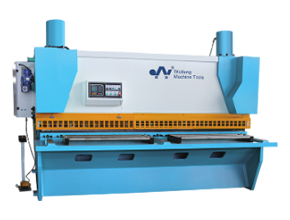
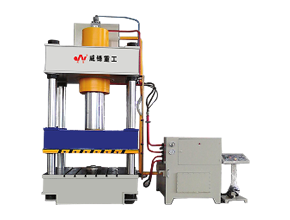
In today's fast-paced manufacturing environment, **hydraulic press brakes** stand at the forefront of metal bending technology. These machines are integral in shaping metal components with precision and efficiency. The demand for improved performance and productivity in industrial applications has fueled innovations in hydraulic press brake design. By understanding these advancements, manufacturers can optimize their production processes and stay competitive.
A Brief History of Metal Bending Machines
The evolution of metal bending machines has a rich history. Early metalworking involved manual techniques, which were labor-intensive and time-consuming. With the advent of the industrial revolution, machines began to emerge, leading to the development of mechanical and hydraulic press brakes. The introduction of hydraulic systems allowed for greater force application and improved bending capabilities, paving the way for modern hydraulic press brakes.
Current Innovations in Hydraulic Press Brakes
Recent developments in hydraulic press brake technology focus on enhancing functionality, efficiency, and user experience. Key innovations include:
1. Advanced Control Systems
Modern hydraulic press brakes are equipped with **CNC (Computer Numerical Control)** systems that provide enhanced control over the bending process. This technology allows operators to program complex shapes and ensure consistent quality across batches.
2. Adaptive Bending Technology
Adaptive bending technology is a game-changer. It enables the machine to automatically adjust parameters such as angle and force based on the material being processed. This flexibility reduces waste and increases production efficiency.
3. Improved Safety Features
Safety is paramount in any manufacturing setting. Recent designs incorporate advanced safety features, including **laser guards** and **safety light curtains**, which reduce the risk of accidents and enhance operator protection.
4. Integration with IoT
The Internet of Things (IoT) is increasingly integrated into hydraulic press brakes, allowing for real-time monitoring and data analysis. This connectivity enables predictive maintenance, reducing downtime and maintenance costs.
The Role of Automation in Metal Bending
Automation is reshaping the landscape of metal bending. Robotic arms are now commonly used alongside hydraulic press brakes to increase productivity. Automated loading and unloading systems streamline operations, allowing machines to run continuously while minimizing manual intervention.
Benefits of Automation in Metal Bending
- **Increased production rates**: Automated systems can operate at higher speeds than manual processes.
- **Consistency in quality**: Robots follow precise programming, ensuring uniformity in the final product.
- **Reduced labor costs**: Automation minimizes the need for skilled labor, addressing workforce shortages.
Enhancing Precision in Metal Bending
Precision is critical in metal bending, especially in industries such as aerospace, automotive, and electronics. Innovations in sensor technology have significantly improved accuracy in hydraulic press brakes.
The Role of Laser Measurement Systems
Laser measurement systems provide real-time feedback on the bending process, allowing for immediate adjustments. This technology enhances the accuracy of bends, ensuring that specifications are met without rework.
Using Simulation Software
Simulation software enables manufacturers to visualize the bending process before actual production. This foresight helps in identifying potential issues and optimizing machine settings, leading to better precision and reduced material waste.
Energy Efficiency and Sustainability Trends
As industries strive for sustainability, energy efficiency has become a critical focus. Hydraulic press brakes are evolving to meet these demands.
Energy-Efficient Hydraulic Systems
Modern hydraulic press brakes utilize energy-efficient hydraulic systems that consume less power during operation. These systems often include variable displacement pumps, which adjust fluid flow based on operational requirements, significantly reducing energy consumption.
Eco-Friendly Materials
The trend toward using eco-friendly materials in machine construction is gaining traction. Manufacturers are increasingly opting for recyclable and sustainable materials, aligning with global sustainability goals.
Emerging Trends in Hydraulic Press Brake Design
The future of hydraulic press brakes is poised for transformative changes. Significant trends include:
1. Smart Manufacturing
The integration of smart technologies into manufacturing processes is becoming more prevalent. Smart hydraulic press brakes equipped with AI algorithms can predict machine behavior, enabling proactive maintenance and minimizing downtime.
2. Customization and Modularity
Customization is increasingly important in manufacturing. Future hydraulic press brakes are expected to offer modular designs, allowing manufacturers to adapt machines to specific applications and production needs.
3. Collaborative Robots (Cobots)
Collaborative robots, or cobots, can work alongside human operators, enhancing productivity without replacing the workforce. This trend will likely gain momentum as manufacturers seek flexible and efficient solutions.
Challenges Facing the Metal Bending Industry
Despite the advancements, the metal bending industry faces several challenges:
1. Skills Gap
The shortage of skilled labor in the manufacturing sector poses a significant challenge. As technology evolves, the need for skilled operators who can manage advanced machinery increases.
2. High Initial Costs
Investing in modern hydraulic press brakes and automation technology can be expensive. Smaller manufacturers may struggle to justify these costs, limiting their ability to compete.
3. Keeping Up with Technology
Rapid technological advancements require continuous learning and adaptation. Manufacturers must invest in training to keep their workforce updated with the latest trends and technologies.
Conclusion: The Path Forward in Metal Bending
The future of metal bending is bright, driven by innovations in hydraulic press brake design and technology. As the industry embraces automation, precision, and sustainability, manufacturers have the opportunity to improve efficiency and product quality. By staying informed on emerging trends and overcoming existing challenges, manufacturers can position themselves for success in an increasingly competitive landscape.
FAQs About Hydraulic Press Brakes
1. What is a hydraulic press brake?
A hydraulic press brake is a machine that uses hydraulic pressure to bend sheet metal into specified angles and shapes.
2. How does a hydraulic press brake work?
Hydraulic press brakes operate by using hydraulic cylinders to exert force on a punch that bends the sheet metal against a die.
3. What are the advantages of hydraulic press brakes over mechanical ones?
Hydraulic press brakes provide greater force control, flexibility in bending operations, and are generally easier to operate, making them preferred for complex tasks.
4. Are hydraulic press brakes energy-efficient?
Yes, modern hydraulic press brakes are designed to be energy-efficient, often featuring variable displacement pumps that reduce energy consumption.
5. How can automation improve metal bending processes?
Automation increases production rates, consistency, and reduces labor costs by minimizing the need for manual intervention in the metal bending process.
Previous Page:
Related News
NanTong HAVI CNC Machinery Co., Ltd.
Phone/WhatsApp: +86 17606524813
Address: Libao Development Area,HaiAn jiangsu China