











Understanding Plate Bending Machines: Essential Tools for Metal Fabrication
Release Time:
2026-10-05

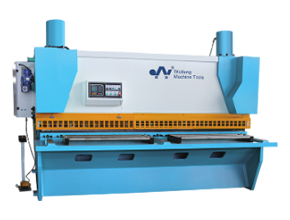
Plate bending machines are indispensable tools in the metal fabrication sector, designed to bend and shape metal plates into specific configurations. These machines are vital for manufacturing processes that require precision and efficiency in shaping metal for various applications, from construction to automotive manufacturing. Understanding the intricacies of plate bending machines can significantly enhance both operational efficiency and product quality.
At their core, plate bending machines function by applying force to a flat metal plate, causing it to deform and take on the desired shape through a series of controlled bends. The bending process is crucial as it allows for the creation of components that fit together seamlessly in larger assemblies. Most commonly, these machines are utilized for bending thicker materials, which require substantial force and precision, making them a staple in industries where durability and structural integrity are paramount.
There are several types of plate bending machines, each designed for specific needs and applications. The most common types include:
1. **Mechanical Bending Machines**: These machines use a mechanical system, often powered by hydraulic or electrical means, to bend plates. They are well-suited for high-volume production where speed and repeatability are essential.
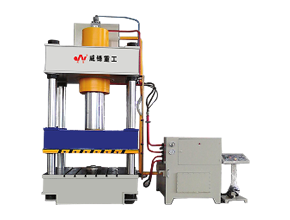
2. **Hydraulic Bending Machines**: Known for their power and versatility, hydraulic machines utilize hydraulic cylinders to provide the necessary force for bending. They are particularly effective for thicker plates, making them ideal for heavy-duty applications.
3. **CNC Plate Bending Machines**: Equipped with computer numerical control (CNC), these machines offer enhanced precision and programmable operations. This capability allows for complex geometries and reduces the need for manual input, thereby increasing productivity and reducing errors.
The application of plate bending machines spans a wide array of industries. In construction, these machines are used to create structural components such as beams and supports. In the automotive sector, they play a critical role in manufacturing parts like chassis and body panels. Furthermore, in shipbuilding, plate bending machines are essential for forming the hulls of vessels, demonstrating their versatility across various sectors.
When considering the use of plate bending machines, it is important to assess factors such as the thickness of the material, the required bend radius, and the production volume. Proper training and adherence to safety protocols are also crucial, as working with these machines involves significant forces that can lead to serious injuries if not handled correctly.
In summary, plate bending machines are vital in the manufacturing process, providing the necessary means to shape metal plates accurately and efficiently. By understanding the various types and applications of these machines, businesses can make informed decisions that enhance their production capabilities and ensure high-quality results in their metal fabrication endeavors.
At their core, plate bending machines function by applying force to a flat metal plate, causing it to deform and take on the desired shape through a series of controlled bends. The bending process is crucial as it allows for the creation of components that fit together seamlessly in larger assemblies. Most commonly, these machines are utilized for bending thicker materials, which require substantial force and precision, making them a staple in industries where durability and structural integrity are paramount.
There are several types of plate bending machines, each designed for specific needs and applications. The most common types include:
1. **Mechanical Bending Machines**: These machines use a mechanical system, often powered by hydraulic or electrical means, to bend plates. They are well-suited for high-volume production where speed and repeatability are essential.
2. **Hydraulic Bending Machines**: Known for their power and versatility, hydraulic machines utilize hydraulic cylinders to provide the necessary force for bending. They are particularly effective for thicker plates, making them ideal for heavy-duty applications.
3. **CNC Plate Bending Machines**: Equipped with computer numerical control (CNC), these machines offer enhanced precision and programmable operations. This capability allows for complex geometries and reduces the need for manual input, thereby increasing productivity and reducing errors.
The application of plate bending machines spans a wide array of industries. In construction, these machines are used to create structural components such as beams and supports. In the automotive sector, they play a critical role in manufacturing parts like chassis and body panels. Furthermore, in shipbuilding, plate bending machines are essential for forming the hulls of vessels, demonstrating their versatility across various sectors.
When considering the use of plate bending machines, it is important to assess factors such as the thickness of the material, the required bend radius, and the production volume. Proper training and adherence to safety protocols are also crucial, as working with these machines involves significant forces that can lead to serious injuries if not handled correctly.
In summary, plate bending machines are vital in the manufacturing process, providing the necessary means to shape metal plates accurately and efficiently. By understanding the various types and applications of these machines, businesses can make informed decisions that enhance their production capabilities and ensure high-quality results in their metal fabrication endeavors.
Previous Page:
Related News
NanTong HAVI CNC Machinery Co., Ltd.
Phone/WhatsApp: +86 17606524813
Address: Libao Development Area,HaiAn jiangsu China