











Press Brake Maintenance: Essential Tips for Longevity and Optimal Performance
Release Time:
2026-10-06

Press Brake Maintenance: Essential Tips for Longevity and Optimal Performance
Table of Contents
- 1. Understanding Press Brakes and Their Importance
- 2. Common Issues Faced by Press Brakes
- 3. The Importance of Regular Maintenance
- 4. Developing a Maintenance Schedule
- 5. Daily Maintenance Tasks for Press Brakes
- 6. Monthly Maintenance Tasks to Ensure Efficiency
- 7. Essential Annual Maintenance Checks
- 8. Troubleshooting Common Problems
- 9. Frequently Asked Questions
1. Understanding Press Brakes and Their Importance
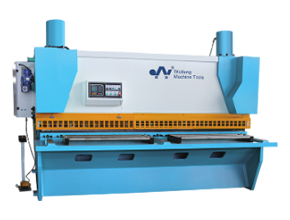
Press brakes are critical machines in the manufacturing and fabrication industries, utilized for bending metal sheets into precise shapes. Their ability to deliver consistent results makes them essential for producing high-quality components. Understanding how these machines operate and the role they play in manufacturing is the first step towards effective maintenance.
2. Common Issues Faced by Press Brakes
Despite their robust design, press brakes can encounter several issues that affect performance, including:
- **Misalignment** of the tooling, leading to inaccurate bends.
- **Hydraulic fluid leaks**, which can reduce pressure and efficiency.
- **Electrical problems** that can disrupt operation.
- **Wear and tear** on components, affecting precision and safety.
3. The Importance of Regular Maintenance
Regular maintenance is vital to ensuring the longevity and optimal performance of press brakes. By proactively addressing potential issues, manufacturers can prevent costly downtime and repairs. Moreover, well-maintained machines contribute to safety, precision, and productivity on the shop floor.
4. Developing a Maintenance Schedule
Creating a maintenance schedule tailored to your press brake's specific needs is crucial. This schedule should outline daily, monthly, and annual tasks, ensuring all critical aspects of the machine are addressed. A well-structured maintenance plan not only prolongs the lifespan of the equipment but also enhances overall operational efficiency.
5. Daily Maintenance Tasks for Press Brakes
Daily maintenance tasks are essential to ensure that press brakes operate smoothly. These tasks should include:
- **Inspecting hydraulic fluid levels** and topping up as necessary. This ensures that the system runs efficiently.
- **Cleaning the work area** around the press brake to prevent debris from interfering with operations.
- **Checking for leaks** in hydraulic lines and connections. Identifying leaks early can prevent more severe issues.
- **Inspecting safety features**, such as guards and emergency stops, ensuring they function correctly.
6. Monthly Maintenance Tasks to Ensure Efficiency
Monthly maintenance tasks delve deeper into the press brake's components. These tasks may encompass:
- **Regularly testing the emergency stop** and safety systems to confirm their reliability.
- **Lubricating moving parts**, which is essential for reducing friction and wear.
- **Checking the calibration** of the machine to ensure accuracy in bending operations.
- **Examining electrical connections** for signs of wear or corrosion that could lead to malfunction.
7. Essential Annual Maintenance Checks
Annual maintenance checks are comprehensive evaluations aimed at assessing the overall health of the press brake. Key activities include:
- **Conducting a full inspection of hydraulic systems** for wear, leaks, or damage.
- **Testing the electrical systems** and replacing any aging components to prevent failures.
- **Overhauling the tooling** and dies to ensure they remain sharp and effective.
- **Reviewing the entire machine** for structural integrity, examining welds and joints for cracks.
8. Troubleshooting Common Problems
Even with a robust maintenance plan, issues can arise. Here are troubleshooting tips for some common problems:
- **For misalignment**, recalibrate the tooling and perform a test run to verify accuracy.
- **In case of hydraulic leaks**, trace the source and replace faulty seals or hoses.
- **If the machine stops unexpectedly**, check the electrical connections and reset the system.
- **For unusual noises**, examine moving components for wear and ensure all parts are adequately lubricated.
9. Frequently Asked Questions
What is the average lifespan of a press brake?
The average lifespan of a press brake can range from **10 to 30 years**, depending on usage and maintenance practices.
How often should I perform maintenance on my press brake?
Daily, monthly, and annual maintenance tasks should be conducted to ensure optimal performance and longevity.
Can I perform maintenance tasks myself?
Many basic maintenance tasks can be performed by operators, but more complex issues should be addressed by qualified technicians.
What are signs that my press brake needs maintenance?
Signs include inaccurate bends, unusual noises, hydraulic leaks, or safety system malfunctions.
How does regular maintenance improve safety?
Regular maintenance helps identify potential hazards, ensuring that safety features function correctly and reducing the risk of accidents.
Conclusion
Maintaining a press brake is not just about keeping the machine running; it's about ensuring safety, efficiency, and productivity in your operations. By implementing a tailored maintenance schedule that includes daily, monthly, and annual checks, manufacturers can significantly enhance the longevity and performance of their press brakes. Addressing potential issues proactively will lead to smoother workflows, higher-quality outputs, and ultimately, a more successful business. Investing time and resources into proper maintenance is not just a necessity—it's a strategy for growth and sustainability in the competitive manufacturing landscape.
Previous Page:
Related News
NanTong HAVI CNC Machinery Co., Ltd.
Phone/WhatsApp: +86 17606524813
Address: Libao Development Area,HaiAn jiangsu China