





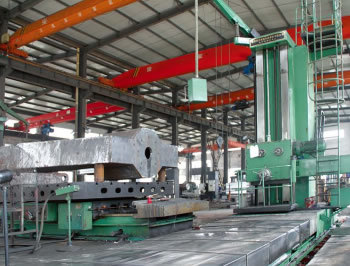





Maximizing Efficiency with Large Plate Rolling Machines in Production Lines
Release Time:
2026-09-23

Maximizing Efficiency with Large Plate Rolling Machines in Production Lines
Table of Contents
- Introduction to Large Plate Rolling Machines
- Understanding Plate Rolling: The Basics
- The Importance of Efficiency in Production Lines
- Key Features of Large Plate Rolling Machines
- Operational Best Practices for Maximizing Efficiency
- Maintenance Strategies for Long-lasting Efficiency
- Innovative Technologies Enhancing Performance
- Conclusion
- Frequently Asked Questions (FAQs)
Introduction to Large Plate Rolling Machines
Large plate rolling machines are vital assets in manufacturing and fabrication industries. These machines are designed to bend and shape large plates of metal into cylindrical forms or other configurations, making them essential for producing components used in construction, shipbuilding, and pressure vessels. As the demand for precision and efficiency increases, understanding how to maximize the effectiveness of these machines is crucial.
Understanding Plate Rolling: The Basics
Plate rolling involves the process of bending flat sheets of metal into a desired shape. It requires a sophisticated machine capable of exerting significant force while maintaining precise control over the bending process. The main types of plate rolling machines include:
Three-Roll vs. Four-Roll Machines
Three-roll machines utilize three rollers to bend the material, while four-roll machines have an additional roller that enhances precision. The choice between these machines often depends on the thickness of the material and the desired radius of curvature.
Material Considerations
The efficiency of plate rolling is also influenced by the type of material being processed. Steel, aluminum, and alloys each have unique properties that impact the rolling process. Understanding these materials helps operators adjust settings for optimal performance.
The Importance of Efficiency in Production Lines
Efficiency in production lines directly affects a business’s bottom line. High efficiency leads to reduced production costs, faster turnaround times, and improved product quality. This is particularly true in industries where large-scale and repetitive tasks are common.
Cost Reduction and Profit Maximization
By maximizing the efficiency of large plate rolling machines, companies can significantly reduce waste and lower material costs. Efficient production processes also minimize labor costs, allowing organizations to allocate resources more effectively.
Quality Control and Consistency
Enhanced efficiency often correlates with improved quality control. Machines that operate smoothly and reliably produce consistently high-quality products, reducing defects and rework rates.
Key Features of Large Plate Rolling Machines
Modern large plate rolling machines come equipped with numerous features that enhance their performance and usability:
Advanced Control Systems
Many contemporary machines feature digital control systems that allow for precise adjustments in speed and pressure, facilitating the manipulation of various materials and thicknesses.
Hydraulic Systems
Hydraulic mechanisms provide the necessary force for bending plates, ensuring smooth operation and minimal wear on the machine components.
Safety Features
Safety is paramount in industrial settings. Modern machines incorporate numerous safety features, including emergency stops, protective covers, and automated systems that can detect malfunctions.
Operational Best Practices for Maximizing Efficiency
Implementing best practices is essential for optimizing the use of large plate rolling machines:
Training and Skill Development
Investing in training for machine operators ensures that they understand how to use the equipment effectively. Skilled operators can make better decisions regarding settings and adjustments, leading to enhanced productivity.
Workflow Optimization
Analyzing and optimizing the workflow around plate rolling can reduce bottlenecks. Efficient scheduling and material handling practices contribute to a smoother production process.
Regular Calibration
Regularly calibrating machines helps maintain accuracy and precision. This practice reduces the likelihood of errors and ensures that the rolling process meets specified tolerances.
Maintenance Strategies for Long-lasting Efficiency
Routine maintenance is critical in sustaining the efficiency of large plate rolling machines:
Scheduled Inspections
Conducting regular inspections allows for early detection of potential issues. Addressing wear and tear before they escalate can save both time and expenses.
Lubrication and Cleaning
Keeping mechanical components well-lubricated and clean prevents friction and wear, which can impair performance. Establishing a cleaning and lubrication schedule is essential for longevity.
Parts Replacement
Replacing worn parts promptly ensures that the machine operates at peak efficiency. Keeping an inventory of critical components can minimize downtime.
Innovative Technologies Enhancing Performance
The manufacturing industry continually evolves with technological advancements. Incorporating the latest innovations can significantly enhance the efficiency of large plate rolling machines:
Automation and Robotics
Automated systems can streamline operations, reducing the need for manual labor and minimizing human errors. Robotics can also perform repetitive tasks, allowing human operators to focus on more complex activities.
Data Analytics and IoT
Integrating Internet of Things (IoT) technology provides real-time data analytics, enabling operators to monitor machine performance and identify inefficiencies. This data can inform preventive maintenance schedules and process adjustments.
Cloud Computing Solutions
Cloud technology allows for remote monitoring and control of machines, offering flexibility and convenience. This capability ensures that production can continue seamlessly even when operators are not physically present.
Conclusion
Maximizing the efficiency of large plate rolling machines is a multifaceted endeavor that encompasses operational best practices, regular maintenance, and the adoption of innovative technologies. By understanding the intricacies of the rolling process and investing in the right resources, manufacturers can enhance productivity, reduce costs, and improve product quality. Embracing these strategies will position production lines for success in an increasingly competitive landscape.
Frequently Asked Questions (FAQs)
1. What are the advantages of using large plate rolling machines?
Large plate rolling machines offer several benefits, including improved precision in bending, the ability to handle various materials, and enhanced efficiency in production processes.
2. How often should a large plate rolling machine be maintained?
Routine maintenance should be performed as per the manufacturer's guidelines, typically involving inspections and servicing every few months, depending on usage.
3. Can automation enhance the efficiency of plate rolling processes?
Yes, automation can streamline operations, reduce manual handling, and improve accuracy, leading to higher overall efficiency in production lines.
4. What factors influence the choice between a three-roll and a four-roll plate rolling machine?
The choice often depends on the thickness of the material, the radius of the desired bend, and the complexity of the shapes being produced.
5. How can data analytics improve the performance of large plate rolling machines?
Data analytics can identify patterns and inefficiencies in machine operation, enabling proactive adjustments and maintenance that optimize performance.
Related News
NanTong HAVI CNC Machinery Co., Ltd.
Phone/WhatsApp: +86 17606524813
Address: Libao Development Area,HaiAn jiangsu China