











Exploring the Mechanics of Hydraulic Press Brakes: An In-Depth Analysis
Release Time:
2026-09-22

Exploring the Mechanics of Hydraulic Press Brakes: An In-Depth Analysis
Table of Contents
- 1. Introduction to Hydraulic Press Brakes
- 2. What is a Hydraulic Press Brake?
- 3. How Do Hydraulic Press Brakes Work?
- 4. Key Components of Hydraulic Press Brakes
- 5. Types of Hydraulic Press Brakes
- 6. Applications of Hydraulic Press Brakes
- 7. Advantages and Disadvantages of Hydraulic Press Brakes
- 8. Maintenance and Safety Considerations
- 9. Frequently Asked Questions
- 10. Conclusion
1. Introduction to Hydraulic Press Brakes
In the evolving world of manufacturing and metalworking, hydraulic press brakes stand as a cornerstone technology. These machines bend and shape metal sheets with precision and efficiency, making them indispensable in various industries. This article delves deep into the mechanics of hydraulic press brakes, exploring their design, functionality, and applications. Understanding the intricacies of these machines can enhance operational efficiency in any manufacturing setup.
2. What is a Hydraulic Press Brake?
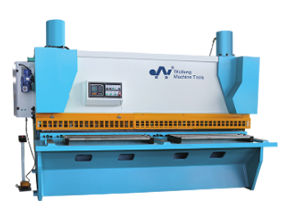
A **hydraulic press brake** is a type of machine used predominantly in metal fabrication to bend and shape metal sheets. Utilizing hydraulic power, these machines apply force to a punch and die setup, allowing for precise bends at specific angles. The hydraulics enable the machine to operate with immense force, making it suitable for handling thick and heavy materials. Unlike mechanical press brakes, hydraulic variants offer greater control over bending operations, making them a popular choice in modern manufacturing.
3. How Do Hydraulic Press Brakes Work?
The operation of hydraulic press brakes is rooted in basic hydraulic principles. When hydraulic fluid is pumped into the system, it creates pressure that moves the ram downward onto the metal sheet placed between the punch and die. Here’s a closer look at the process:
1. **Hydraulic Fluid Activation**: When the operator initiates the bending cycle, hydraulic fluid is directed into the cylinder, generating pressure.
2. **Ram Movement**: The pressure causes the ram to descend, exerting force on the metal sheet.
3. **Bending Process**: The metal is forced into the die, taking on the desired shape as the ram continues its motion.
4. **Return Stroke**: Once the bending is completed, the hydraulic system reverses, lifting the ram back to its original position, ready for the next piece.
This continuous loop of pressure and movement allows for repeatable and precise bending operations.
4. Key Components of Hydraulic Press Brakes
Understanding the individual components of hydraulic press brakes is crucial for grasping their overall functionality. The main components include:
4.1 The Hydraulic System
At the heart of every hydraulic press brake is the hydraulic system, comprised of pumps, valves, hoses, and cylinders. The hydraulic fluid, typically oil, is pumped through this system, enabling the conversion of mechanical energy into hydraulic energy. The **efficiency** of this system directly affects the machine's performance.
4.2 Frame and Rams
The frame of the hydraulic press brake provides structural integrity and supports the other components. The ram, which directly applies pressure to the workpiece, is designed to withstand heavy loads while maintaining precision. These elements work in tandem to ensure stability during operation.
4.3 Control Systems
Modern hydraulic press brakes are equipped with sophisticated control systems that allow operators to set parameters such as bending angle, depth, and speed. These systems, which may include digital displays and programmable logic controllers (PLCs), enhance usability and precision in operations.
5. Types of Hydraulic Press Brakes
Hydraulic press brakes are available in various configurations to meet the specific needs of different industries. The primary types include:
1. **Standard Hydraulic Press Brake**: Most common, suitable for general metal bending tasks.
2. **CNC Hydraulic Press Brake**: Integrated with computer numerical control for enhanced precision in complex operations.
3. **Hybrid Hydraulic Press Brake**: Combines hydraulic and electric technologies for improved energy efficiency and performance.
4. **Tabletop Hydraulic Press Brake**: Smaller, portable units designed for light-duty applications and hobbyist use.
Each type offers unique features catering to diverse manufacturing environments.
6. Applications of Hydraulic Press Brakes
The versatility of hydraulic press brakes allows them to be applied in numerous industries, including:
- **Automotive Manufacturing**: Bending sheet metal for car body components.
- **Aerospace**: Creating intricate parts for aircraft structures.
- **Construction**: Fabricating metal frames and supports.
- ** HVAC**: Producing ductwork and ventilation systems.
- **Art and Sculpture**: Allowing artists to shape metals into creative designs.
Their adaptability and precision make hydraulic press brakes essential tools across these sectors.
7. Advantages and Disadvantages of Hydraulic Press Brakes
While hydraulic press brakes offer numerous benefits, they also have some drawbacks. Understanding these can help businesses make informed decisions.
**Advantages**:
- **High Force Application**: Capable of bending thick materials with ease.
- **Precision Control**: Offers high accuracy in bending angles and dimensions.
- **Versatile Applications**: Suitable for various metal types and thicknesses.
- **Reduced Operator Fatigue**: Automation features lessen manual effort.
**Disadvantages**:
- **Initial Cost**: Higher upfront investment compared to mechanical press brakes.
- **Maintenance Needs**: Requires regular maintenance to ensure hydraulic systems remain leak-free and operational.
- **Space Requirements**: Generally larger and heavier than other types of press brakes, needing ample floor space.
8. Maintenance and Safety Considerations
To ensure longevity and safe operation of hydraulic press brakes, regular maintenance is essential. Key maintenance tips include:
- **Regular Inspections**: Check hydraulic fluid levels, hoses, and fittings for leaks or wear.
- **Cleanliness**: Keep the machine free from debris and contaminants.
- **Lubrication**: Ensure moving parts are adequately lubricated.
- **Operator Training**: Proper training for operators on safe handling and emergency procedures.
Adhering to these practices can significantly enhance the machine's performance and safety.
9. Frequently Asked Questions
**Q1: What is the difference between hydraulic and mechanical press brakes?**
A: Hydraulic press brakes use hydraulic fluid to move the ram and apply pressure, offering more control and higher force, while mechanical press brakes rely on mechanical systems and are usually less versatile.
**Q2: How can I determine the right size of a hydraulic press brake for my needs?**
A: Assess the thickness and type of materials you will be working with and the maximum bend length required. Consult with manufacturers for specifications.
**Q3: Are hydraulic press brakes energy efficient?**
A: While hydraulic press brakes are powerful, they can be less energy-efficient compared to hybrid or electric models. Choosing a hybrid press brake can often improve energy consumption.
**Q4: How often should hydraulic fluid be changed?**
A: Change the hydraulic fluid according to the manufacturer’s recommendations, typically every 1,000 hours of operation or annually, to ensure optimal performance.
**Q5: Can hydraulic press brakes be used for various types of metal?**
A: Yes, hydraulic press brakes are versatile and can handle a wide range of metals, including aluminum, steel, and stainless steel, depending on the machine's specifications.
10. Conclusion
Understanding the mechanics of hydraulic press brakes is essential for anyone involved in metal fabrication and manufacturing. These powerful machines not only enhance productivity but also ensure precision in creating intricate metal shapes. By recognizing their components, types, applications, and maintenance needs, operators can maximize the potential of hydraulic press brakes while ensuring safety and efficiency in their workflow. As technology advances, these machines will continue to play a vital role in the evolution of manufacturing processes, making them indispensable in the industry.
By investing in quality hydraulic press brakes and employing best practices in their operation, manufacturers can achieve high levels of productivity and quality in their metalworking endeavors.
Related News
NanTong HAVI CNC Machinery Co., Ltd.
Phone/WhatsApp: +86 17606524813
Address: Libao Development Area,HaiAn jiangsu China