











Understanding the Hydraulic Press Brake: Essential Insights for Manufacturing Professionals
Release Time:
2026-05-13

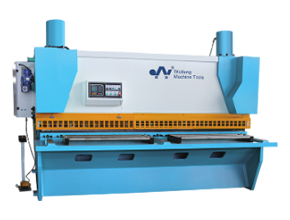
In the realm of manufacturing, particularly in the domain of bending and forming metal, the hydraulic press brake stands out as a critical piece of equipment. This machine is designed to bend, fold, and shape metal sheets with precision and efficiency. Understanding how hydraulic press brakes operate and the benefits they offer can significantly enhance productivity in any manufacturing environment.
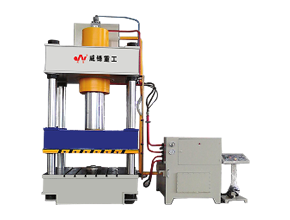
A hydraulic press brake utilizes hydraulic cylinders to apply force on a metal sheet positioned between a punch and a die. The hydraulic system allows for the application of a uniform force over the entire length of the metal sheet, which is crucial for achieving accurate bends. The versatility of hydraulic press brakes makes them suitable for a wide range of applications, from simple bends to complex geometries.
One of the primary advantages of hydraulic press brakes is their ability to handle various materials and thicknesses. Whether working with aluminum, stainless steel, or mild steel, hydraulic press brakes can accommodate different sheet metal types, making them indispensable in industries such as automotive, aerospace, and construction. Moreover, the machine's programming capabilities allow operators to create precise bend angles and maintain consistent quality across multiple pieces, reducing the likelihood of errors and material waste.
Another significant benefit is the speed and efficiency these machines provide. Hydraulic press brakes can execute multiple bends in a short period, optimizing production times and increasing output. This efficiency is complemented by the machine's safety features, which include protective guards and emergency stop functions, ensuring a safer working environment for operators.
Furthermore, the hydraulic press brake can be integrated with advanced technologies such as CNC (Computer Numerical Control) systems. This integration allows for automated operations and enhanced precision. Operators can input complex bending sequences into the CNC system, allowing the machine to execute intricate shapes with minimal manual intervention. This not only improves accuracy but also minimizes operator fatigue, enabling teams to focus on other critical tasks.
In summary, the hydraulic press brake is an essential tool in the manufacturing sector, providing versatility, efficiency, and precision in metal forming processes. Its ability to adapt to various materials and its integration with modern technologies make it an invaluable asset for manufacturers looking to enhance their production capabilities. Understanding the functionality and advantages of hydraulic press brakes can help professionals make informed decisions that lead to improved operational efficiency and product quality.
A hydraulic press brake utilizes hydraulic cylinders to apply force on a metal sheet positioned between a punch and a die. The hydraulic system allows for the application of a uniform force over the entire length of the metal sheet, which is crucial for achieving accurate bends. The versatility of hydraulic press brakes makes them suitable for a wide range of applications, from simple bends to complex geometries.
One of the primary advantages of hydraulic press brakes is their ability to handle various materials and thicknesses. Whether working with aluminum, stainless steel, or mild steel, hydraulic press brakes can accommodate different sheet metal types, making them indispensable in industries such as automotive, aerospace, and construction. Moreover, the machine's programming capabilities allow operators to create precise bend angles and maintain consistent quality across multiple pieces, reducing the likelihood of errors and material waste.
Another significant benefit is the speed and efficiency these machines provide. Hydraulic press brakes can execute multiple bends in a short period, optimizing production times and increasing output. This efficiency is complemented by the machine's safety features, which include protective guards and emergency stop functions, ensuring a safer working environment for operators.
Furthermore, the hydraulic press brake can be integrated with advanced technologies such as CNC (Computer Numerical Control) systems. This integration allows for automated operations and enhanced precision. Operators can input complex bending sequences into the CNC system, allowing the machine to execute intricate shapes with minimal manual intervention. This not only improves accuracy but also minimizes operator fatigue, enabling teams to focus on other critical tasks.
In summary, the hydraulic press brake is an essential tool in the manufacturing sector, providing versatility, efficiency, and precision in metal forming processes. Its ability to adapt to various materials and its integration with modern technologies make it an invaluable asset for manufacturers looking to enhance their production capabilities. Understanding the functionality and advantages of hydraulic press brakes can help professionals make informed decisions that lead to improved operational efficiency and product quality.
Previous Page:
Next Page:
Related News
NanTong HAVI CNC Machinery Co., Ltd.
Phone/WhatsApp: +86 17606524813
Address: Libao Development Area,HaiAn jiangsu China