











Understanding Plate Bending Machines: Essential Tools for Metal Fabrication
Release Time:
2026-11-09

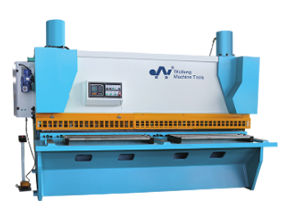
Plate bending machines are integral to the metalworking and fabrication sectors. They are designed to bend and form metal plates into various shapes and profiles, making them vital for producing components used in construction, machinery, and numerous other applications. Understanding how these machines operate, their types, and their applications can significantly benefit professionals in the manufacturing industry.
The primary function of a plate bending machine is to create bends in flat metal plates. These machines utilize a series of rollers or a hydraulic system to achieve precise angles and curves, thereby enabling the production of complex shapes that are often required in various metalworking projects. The bending process is typically controlled by a combination of hydraulic pressure and mechanical adjustments, allowing operators to achieve the desired specifications with high accuracy.
There are several types of plate bending machines, each suited for specific applications and materials. The most common types include:
1. **Three-Roller Bending Machines**: These are widely used for their efficiency in producing cylindrical shapes. The three rollers work together to grip the metal plate and guide it through the bending process. This type is ideal for creating large-radius bends.
2. **Four-Roller Bending Machines**: Offering greater precision, four-roller machines can perform more complex bends than their three-roller counterparts. They are particularly beneficial for producing tighter bends and are often used in industries requiring intricate designs.
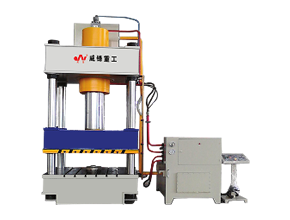
3. **Hydraulic Bending Machines**: Employing hydraulic power, these machines provide strong bending force and are excellent for heavy-duty applications. They allow for programmable bending, which enhances productivity and accuracy in high-volume production environments.
4. **Mechanical Bending Machines**: These use mechanical force to create bends and are generally simpler in operation. They are suitable for less complex bending tasks and are often preferred for smaller workshops.
In addition to their operational capabilities, plate bending machines contribute significantly to efficiency and productivity in manufacturing processes. By automating the bending of metal plates, they reduce the time and labor involved, allowing businesses to meet tight production schedules and maintain competitiveness in the market.
Furthermore, the choice of a plate bending machine can impact the quality and consistency of the final product. Factors such as the material type, thickness, and desired bend radius should be considered when selecting the appropriate machine for specific projects.
In summary, understanding the diverse types and functionalities of plate bending machines is essential for professionals in the manufacturing industry. These machines not only streamline the bending process but also ensure precision and quality in the production of metal components. As technology advances, staying informed about the latest developments in plate bending machinery can provide a competitive edge in the ever-evolving landscape of metal fabrication.
Previous Page:
Related News
NanTong HAVI CNC Machinery Co., Ltd.
Phone/WhatsApp: +86 17606524813
Address: Libao Development Area,HaiAn jiangsu China