











Maximizing Efficiency: How a Metal Sheet Bending Machine Transforms Your Fabrication Workflow
Release Time:
2026-05-16

Maximizing Efficiency: How a Metal Sheet Bending Machine Transforms Your Fabrication Workflow
Table of Contents
- 1. Introduction to Metal Sheet Bending Machines
- 2. Key Benefits of Using a Metal Sheet Bending Machine
- 3. Different Types of Metal Sheet Bending Machines
- 4. Essential Features to Look for in a Bending Machine
- 5. How Bending Machines Improve Fabrication Workflow
- 6. Cost-Effectiveness of Bending Machines
- 7. Maintenance Tips for Longevity
- 8. Real-World Examples of Workflow Improvement
- 9. Conclusion
- 10. Frequently Asked Questions
1. Introduction to Metal Sheet Bending Machines
In the realm of metal fabrication, the ability to bend sheets of metal accurately and efficiently is crucial. **Metal sheet bending machines**, often referred to as bending presses, play an essential role in various industries, including construction, automotive, and aerospace. These machines allow for precise shaping and manipulation of metal sheets, ensuring they meet specific design requirements.
The evolution of metal sheet bending technology has brought about a new era in fabrication workflow efficiency. Understanding how these machines function and their advantages can help businesses optimize their production processes and ultimately enhance their bottom line.
2. Key Benefits of Using a Metal Sheet Bending Machine
Integrating a metal sheet bending machine into your fabrication workflow offers several compelling advantages:
Improved Precision and Accuracy
With advanced control systems and technology, modern bending machines provide unmatched precision. This leads to higher quality products that meet strict specifications, reducing the need for rework.
Increased Production Speed
A metal sheet bending machine can significantly enhance production speed. Automated features enable faster setup times and reduced cycle times, allowing for the completion of projects in a shorter time frame.
Enhanced Flexibility
Today's bending machines can handle a diverse range of materials and thicknesses. This flexibility allows fabricators to adapt to changing project requirements without needing multiple machines.
Cost Savings
While the initial investment in a bending machine may seem significant, the long-term savings through reduced labor costs, material waste, and increased productivity can be substantial.
Improved Safety
Modern machines come with advanced safety features, reducing the risk of accidents in the workplace. This leads to a safer working environment and better compliance with industry regulations.
3. Different Types of Metal Sheet Bending Machines
Understanding the different types of bending machines can help fabricators choose the right equipment for their specific needs:
Press Brake
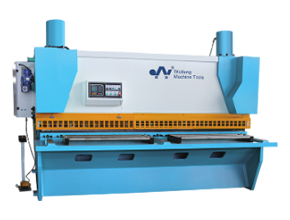
The **press brake** is one of the most widely used bending machines. It employs a punch and die system to bend metal sheets, providing high precision and control.
Box and Pan Brake
This type of machine is ideal for creating boxes and complex shapes. It features removable fingers that allow for versatile bending operations.
Roll Bending Machine
The **roll bending machine** is perfect for creating circular or curved shapes. It uses varying diameters of rollers to achieve the desired curvature.
Hydraulic Bending Press
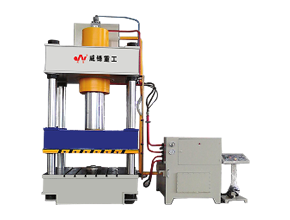
Hydraulic machines are powerful and can handle thicker materials. They use hydraulic pressure to perform bending operations, making them suitable for heavy-duty applications.
4. Essential Features to Look for in a Bending Machine
When selecting a metal sheet bending machine, consider these essential features:
Control System
Look for machines equipped with **CNC (Computer Numerical Control)** systems for enhanced precision and programmable operations. This feature allows for complex bending sequences and easy adjustments.
Material Handling
Integrated material handling systems, such as automatic feeders, can streamline production and minimize manual handling.
Safety Features
Choose machines that comply with safety standards and come with emergency stop controls, safety guards, and proper training guides.
Versatility
A versatile machine can accommodate different material types and thicknesses, making it a valuable asset for any fabrication shop.
Maintenance Accessibility
Machines designed for easy maintenance will save you time and reduce downtime, ensuring your fabrication workflow remains uninterrupted.
5. How Bending Machines Improve Fabrication Workflow
Integrating a metal sheet bending machine into your workflow can lead to significant improvements in several areas:
Streamlined Processes
By automating bending processes, fabricators can streamline their operations, reducing bottlenecks and improving overall workflow efficiency.
Reduced Labor Costs
With fewer manual processes required, labor costs can decrease. Workers can focus on more complex tasks while machines handle repetitive operations.
Increased Quality Control
Automated bending machines provide consistent results, reducing variations and ensuring that all products meet quality standards.
Enhanced Collaboration
As workflows become more efficient, teams can collaborate more effectively, sharing resources and knowledge to drive innovation.
6. Cost-Effectiveness of Bending Machines
Investing in a metal sheet bending machine can be a cost-effective decision for many businesses. Consider the following factors:
Reduced Waste
With precise bending capabilities, these machines minimize material waste, saving costs on raw materials over time.
Lower Energy Consumption
Modern bending machines are designed for energy efficiency, which can lead to significant savings on utility bills.
Long-Term Durability
The right machine, when properly maintained, can last for many years, providing a return on investment that outweighs the initial purchase cost.
7. Maintenance Tips for Longevity
Proper maintenance is vital to ensure the longevity and efficiency of your bending machine:
Regular Inspections
Schedule routine inspections to identify potential issues early and prevent costly breakdowns.
Lubrication
Keep moving parts well-lubricated to minimize wear and tear, ensuring smooth operation.
Calibration
Regularly calibrate the machine to maintain accuracy and precision in bending operations.
Operator Training
Invest in proper training for operators to ensure they understand the machine’s features and best practices for maintenance.
8. Real-World Examples of Workflow Improvement
To illustrate the impact of metal sheet bending machines, consider the following case studies:
Case Study 1: Automotive Fabrication
An automotive parts manufacturer integrated a CNC press brake into their workflow. As a result, they reduced production time by 30% while improving the precision of their parts, leading to fewer defects and a higher customer satisfaction rate.
Case Study 2: Construction Industry
A construction firm adopted a hydraulic bending press, allowing them to create custom metal components on-site. This not only saved time but also reduced transportation costs for prefabricated parts.
9. Conclusion
Incorporating a metal sheet bending machine into your fabrication workflow can lead to significant improvements in efficiency, precision, and cost savings. By understanding the different types of machines available, their essential features, and the benefits they offer, businesses can make informed decisions that enhance their operations. With proper maintenance and training, these machines can become invaluable assets, driving productivity and elevating the quality of manufactured products.
10. Frequently Asked Questions
What is a metal sheet bending machine used for?
A metal sheet bending machine is used to bend and shape metal sheets into various forms, which are essential for manufacturing components in industries like automotive, construction, and aerospace.
How does a press brake work?
A press brake uses a punch and die system to bend metal sheets into specific angles and shapes, relying on hydraulic or mechanical force to achieve the desired results.
What materials can a bending machine handle?
Metal sheet bending machines can handle a variety of materials, including aluminum, steel, stainless steel, and other alloys in various thicknesses.
What maintenance is required for a bending machine?
Regular maintenance includes inspections, lubrication of moving parts, calibration for accuracy, and ensuring that operators are trained in proper usage.
How can bending machines improve production speed?
Bending machines enhance production speed through automation, reduced cycle times, and efficient material handling, allowing for quicker project completions.
Previous Page:
Next Page:
Related News
NanTong HAVI CNC Machinery Co., Ltd.
Phone/WhatsApp: +86 17606524813
Address: Libao Development Area,HaiAn jiangsu China