











The Essential Guide to Plate Bending Machines: Understanding Their Role in Manufacturing
Release Time:
2025-11-08

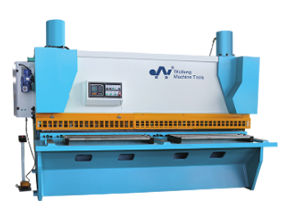
Plate bending machines, also known as plate rollers or plate bending rolls, are vital equipment in the manufacturing and metalworking sectors. These machines are specifically designed to bend and shape metal sheets into various configurations, catering to a diverse range of applications, from structural components to custom fabrication projects. Understanding the functions and features of plate bending machines is crucial for professionals aiming to enhance their operations and improve product quality.
At the core of a plate bending machine is its ability to manipulate flat plates into desired shapes through a process known as roll bending. The machine typically consists of three cylindrical rolls arranged in a triangular configuration, with the top roll providing the necessary force to bend the plate while the bottom rolls assist in maintaining the plate's position. Depending on the design of the plate bending machine, it can handle varying thicknesses and widths of metal sheets, making it a versatile tool for any workshop.
One of the primary advantages of using a plate bending machine is its precision. Advanced models are equipped with digital controls and programmable features that allow operators to set specific bending angles and radii, ensuring consistent results across production runs. This level of accuracy minimizes waste and reduces the need for reworking, ultimately enhancing productivity and cost-effectiveness.
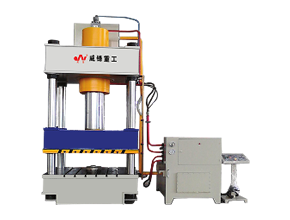
Different types of plate bending machines exist, including mechanical, hydraulic, and pneumatic systems. Hydraulic plate bending machines, for instance, are particularly renowned for their power and efficiency, making them suitable for bending thicker materials. On the other hand, mechanical models are often favored for lighter applications due to their faster operational speeds. Understanding the specific requirements of your projects will help in selecting the most appropriate type of machine.
Moreover, safety is paramount when operating plate bending machines. Operators should be well-trained in handling these machines to prevent accidents and injuries. Regular maintenance is also essential to ensure the longevity of the equipment and to sustain optimal performance. Implementing routine checks and adhering to safety protocols will safeguard both the workforce and the machinery.
In conclusion, plate bending machines play an indispensable role in the manufacturing industry by enabling the efficient and precise bending of metal sheets. Their diverse applications and capabilities to handle various materials make them essential tools for professionals in the field. By understanding the operation and benefits of these machines, manufacturers can streamline their processes and enhance their overall production outcomes.
Related News
NanTong HAVI CNC Machinery Co., Ltd.
Phone/WhatsApp: +86 17606524813
Address: Libao Development Area,HaiAn jiangsu China