











Bending Beyond Limits: Discover the Power of Sheet Metal Bending Machines for Precise Fabrication
Release Time:
2025-10-04

Bending Beyond Limits: Discover the Power of Sheet Metal Bending Machines
Table of Contents
- Introduction to Sheet Metal Bending Machines
- Understanding the Sheet Metal Bending Process
- Types of Sheet Metal Bending Machines
- Applications of Sheet Metal Bending Machines
- Advantages of Modern Sheet Metal Bending Technology
- Key Features to Look for in a Bending Machine
- Maintenance and Care for Sheet Metal Bending Machines
- Future Trends in Sheet Metal Bending Technology
- Conclusion
- Frequently Asked Questions
Introduction to Sheet Metal Bending Machines
Sheet metal bending machines play a crucial role in modern manufacturing. They are designed to transform flat sheets of metal into complex shapes and components used in various industries, from automotive to aerospace. **Understanding the mechanics and capabilities of these machines is essential for any manufacturer looking to improve their production efficiency and product quality.**
In this article, we will explore the different types of sheet metal bending machines, their applications, advantages, and future trends. We aim to provide detailed insights that can help you choose the right machine for your needs, ensuring you achieve precision and versatility in your fabrication processes.
Understanding the Sheet Metal Bending Process
The sheet metal bending process involves applying a force to a sheet of metal to create a bend, typically at an angle of 90 degrees or less. This process can be achieved using various methods, depending on the desired outcome and the equipment used.
**The fundamental principles of sheet metal bending include:**
- **Material Properties:** Understanding the mechanical properties of the metal, such as yield strength and ductility, is vital for determining how much a material can be bent before it deforms.
- **Bend Radius:** The bend radius is a crucial factor in achieving the desired angle and maintaining the integrity of the material. Larger radii can help reduce the risk of cracking.
- **Angle of Bend:** The angle at which the metal is bent can significantly affect its final shape and properties. Precise control over the bending angle is necessary for high-quality results.
By mastering these principles, manufacturers can ensure that their bending processes are both efficient and effective.
Types of Sheet Metal Bending Machines
Different types of bending machines cater to various fabrication needs. Below are the most common types of sheet metal bending machines, each with unique features and advantages.
Press Brake Machines
**Press brake machines are among the most popular tools for sheet metal bending.** They use a punch and die system to achieve precise bends. The operator places the metal sheet between the punch and die, and the machine applies force to create the desired bend.
**Key features of press brake machines include:**
- **Accuracy:** High precision with advanced numerical control systems.
- **Versatility:** Capable of bending various metal thicknesses and types.
- **Automation:** Some modern press brakes are equipped with automation features for increased efficiency.
Roll Bending Machines
Roll bending machines, or plate roll machines, can bend metal sheets into curved shapes, such as cylinders or arcs. They use a series of rollers to gradually shape the metal into the desired form.
**Advantages of roll bending machines include:**
- **Large Sheets:** Ideal for bending large sheets of metal.
- **Curvature Control:** Excellent for achieving consistent curves.
Shear Machines
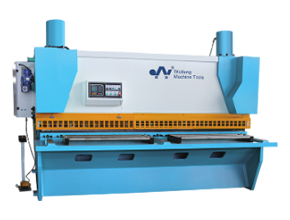
While primarily used for cutting, shear machines can also be configured for bending applications. They operate by applying a shearing force to cut through the metal, and with the right setup, they can produce bends as well.
**Benefits of shear machines:**
- **Multi-functionality:** Can handle both cutting and bending tasks.
- **Space Efficiency:** Suitable for shops with limited floor space.
Applications of Sheet Metal Bending Machines
Sheet metal bending machines find applications across various industries due to their versatility and efficiency. Some common applications include:
- **Automotive Manufacturing:** Bending metal components for car frames, body panels, and brackets.
- **Aerospace:** Producing lightweight, complex shapes essential for aircraft structures.
- **Construction:** Creating metal frames, brackets, and support structures for buildings.
- **Electronics:** Fabricating enclosures and mounting brackets for electronic devices.
Understanding these applications can help manufacturers recognize the potential uses of bending machines in their operations, enhancing productivity and innovation.
Advantages of Modern Sheet Metal Bending Technology
Investing in modern sheet metal bending machines offers numerous advantages that can significantly impact production efficiency and output quality. Some of the key benefits include:
- **Enhanced Precision:** Advanced control systems ensure high accuracy in bends, reducing material waste.
- **Increased Production Speed:** Automation and improved design reduce cycle times, enabling manufacturers to meet tighter deadlines.
- **Greater Flexibility:** Modern machines can accommodate various materials and thicknesses, allowing for a broader product range.
- **Reduced Labor Costs:** Automation and user-friendly interfaces minimize the need for skilled labor, lowering operational costs.
These advantages make modern sheet metal bending machines an essential tool for any manufacturer looking to stay competitive in today's market.
Key Features to Look for in a Bending Machine
When selecting a sheet metal bending machine, certain features can significantly influence performance and usability. Here’s what to consider:
- **Control Systems:** Look for machines equipped with advanced numerical control systems for precise bending.
- **Material Compatibility:** Ensure the machine can handle the specific metal types and thicknesses you work with.
- **Bending Capacity:** Choose a machine that meets your production needs in terms of size and capability.
- **Safety Features:** Safety mechanisms, such as emergency stop buttons and protective enclosures, are essential for operator safety.
- **Maintenance Requirements:** Opt for machines that are easy to maintain, ensuring minimal downtime.
Investing in a machine with these key features can lead to enhanced productivity and safety in your manufacturing processes.
Maintenance and Care for Sheet Metal Bending Machines
Proper maintenance is crucial to ensure the longevity and optimal performance of sheet metal bending machines. Here are some best practices:
- **Regular Inspections:** Conduct routine checks to identify potential wear and tear before it becomes a significant issue.
- **Lubrication:** Ensure all moving parts are adequately lubricated to prevent friction and wear.
- **Calibration:** Regularly calibrate the machinery to maintain precision and accuracy.
- **Cleaning:** Keep the machine clean from metal shavings and debris to prevent malfunctions.
By following these maintenance guidelines, manufacturers can extend the life of their bending machines and maintain consistent output quality.
Future Trends in Sheet Metal Bending Technology
The sheet metal bending industry is continuously evolving, driven by technological advancements and changing market demands. Here are some future trends to watch:
- **Automation and Robotics:** Increased integration of robotics for improved precision and speed in bending processes.
- **Smart Machines:** The rise of IoT-enabled machines that offer real-time data analysis and remote monitoring.
- **Sustainability:** A shift towards eco-friendly materials and energy-efficient machines, reflecting the industry's response to environmental concerns.
- **Advanced Materials:** The use of lightweight and high-strength materials to meet the demands of various industries, including aerospace and automotive.
Keeping an eye on these trends can help manufacturers adapt to changes in the industry and remain competitive.
Conclusion
Sheet metal bending machines are indispensable tools in modern manufacturing, offering the ability to transform flat sheets into complex components with precision and efficiency. By understanding the various types of machines, their applications, and the advantages they provide, manufacturers can make informed decisions that enhance their production capabilities.
Investing in the right sheet metal bending technology not only increases productivity but also ensures high-quality outcomes. **Whether you are in the automotive, aerospace, or construction industry, embracing modern bending solutions will enable you to exceed your fabrication goals and push the limits of what is possible.**
Frequently Asked Questions
1. What is the difference between a press brake and a roll bending machine?
Press brake machines are designed to create precise bends at specific angles, while roll bending machines specialize in forming curves and cylindrical shapes.
2. How do I choose the right sheet metal bending machine for my needs?
Consider factors such as your production volume, material types, required bend precision, and budget when selecting a machine.
3. What materials can sheet metal bending machines work with?
Most machines can handle a variety of metals, including steel, aluminum, and stainless steel, depending on their specifications.
4. How often should I perform maintenance on my bending machine?
Regular inspections and maintenance should be conducted quarterly, while lubrication and cleaning should be done more frequently, as needed.
5. Are modern bending machines energy-efficient?
Many modern machines are designed with energy-saving features, making them more efficient than older models, which can help reduce operational costs.
Related News
NanTong HAVI CNC Machinery Co., Ltd.
Phone/WhatsApp: +86 17606524813
Address: Libao Development Area,HaiAn jiangsu China