











Unlocking the Potential of Sheet Metal Bending Machines in Manufacturing
Release Time:
2025-10-09

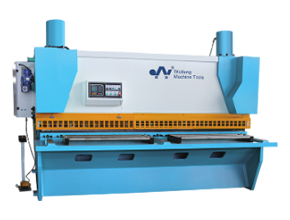
Sheet metal bending machines are vital tools in the manufacturing and machining industry, particularly in the realm of metal fabrication. These machines are designed to bend and shape sheet metal into desired forms and angles, enabling the production of a wide variety of components used in numerous applications, from automotive to construction.
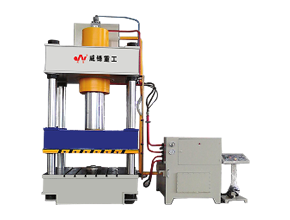
The operation of a sheet metal bending machine relies on several key principles. Typically, sheet metal is placed between a punch and a die. When the punch presses down, it causes the metal to bend at a predetermined angle, creating the required shape. There are various types of bending machines, including hydraulic, mechanical, and pneumatic models, each with its unique advantages. Hydraulic machines, for instance, provide increased force application, making them suitable for thicker materials. Conversely, mechanical machines are often preferred for their speed and efficiency in high-volume production environments.
One of the significant advantages of using sheet metal bending machines is their ability to produce consistent and accurate bends. This precision is paramount in manufacturing, where tolerances can be critical. The latest technological advancements have introduced computer numerical control (CNC) capabilities to bending machines, allowing for automated operations and enhanced repeatability. CNC bending machines can be programmed to execute complicated bending sequences, minimizing human error and maximizing production efficiency.
Moreover, sheet metal bending machines can accommodate a variety of materials, including aluminum, steel, and copper, making them versatile tools for different industries. The choice of material significantly impacts the bending process, as each type has unique properties that affect how it responds to bending. Understanding these characteristics is crucial for manufacturers aiming to achieve optimal results.
Additionally, the design of a bending machine can greatly affect its performance and efficiency. Features such as adjustable bending speeds, programmable controls, and advanced safety systems contribute to a smoother operation and improved user experience. Manufacturers should consider these features when selecting a machine that aligns with their production needs.
In conclusion, sheet metal bending machines are indispensable in the field of manufacturing, offering precise and efficient solutions for shaping metal. By understanding the operation, technology, and design considerations of these machines, professionals in the industry can leverage their capabilities to enhance production processes and maintain competitive advantages in the market. Investing in high-quality sheet metal bending machinery not only improves manufacturing outcomes but also supports innovation in product development.
The operation of a sheet metal bending machine relies on several key principles. Typically, sheet metal is placed between a punch and a die. When the punch presses down, it causes the metal to bend at a predetermined angle, creating the required shape. There are various types of bending machines, including hydraulic, mechanical, and pneumatic models, each with its unique advantages. Hydraulic machines, for instance, provide increased force application, making them suitable for thicker materials. Conversely, mechanical machines are often preferred for their speed and efficiency in high-volume production environments.
One of the significant advantages of using sheet metal bending machines is their ability to produce consistent and accurate bends. This precision is paramount in manufacturing, where tolerances can be critical. The latest technological advancements have introduced computer numerical control (CNC) capabilities to bending machines, allowing for automated operations and enhanced repeatability. CNC bending machines can be programmed to execute complicated bending sequences, minimizing human error and maximizing production efficiency.
Moreover, sheet metal bending machines can accommodate a variety of materials, including aluminum, steel, and copper, making them versatile tools for different industries. The choice of material significantly impacts the bending process, as each type has unique properties that affect how it responds to bending. Understanding these characteristics is crucial for manufacturers aiming to achieve optimal results.
Additionally, the design of a bending machine can greatly affect its performance and efficiency. Features such as adjustable bending speeds, programmable controls, and advanced safety systems contribute to a smoother operation and improved user experience. Manufacturers should consider these features when selecting a machine that aligns with their production needs.
In conclusion, sheet metal bending machines are indispensable in the field of manufacturing, offering precise and efficient solutions for shaping metal. By understanding the operation, technology, and design considerations of these machines, professionals in the industry can leverage their capabilities to enhance production processes and maintain competitive advantages in the market. Investing in high-quality sheet metal bending machinery not only improves manufacturing outcomes but also supports innovation in product development.
Next Page:
Related News
NanTong HAVI CNC Machinery Co., Ltd.
Phone/WhatsApp: +86 17606524813
Address: Libao Development Area,HaiAn jiangsu China