











Understanding Sheet Metal Bending Machines: A Comprehensive Guide
Release Time:
2025-09-29

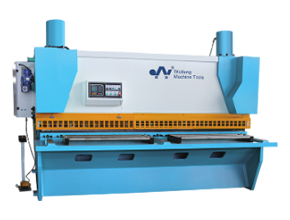
Sheet metal bending machines play a pivotal role in the manufacturing and machining industry, particularly in the fabrication of various metal components. These machines are designed to bend sheet metal into desired shapes and angles, allowing for the creation of complex structures with precision and efficiency. Understanding the functionality and applications of sheet metal bending machines can significantly enhance your manufacturing processes.
At the heart of a sheet metal bending machine is its ability to apply force to a piece of metal, causing it to deform and take on a new shape. The machine typically consists of a punch, a die, and a workpiece holder. The punch applies pressure to the sheet metal, while the die serves as the mold that defines the final shape. This process is crucial in producing items ranging from simple brackets to intricate enclosures.
One of the primary advantages of using a sheet metal bending machine is the consistency it provides. Automated bending machines are equipped with advanced controls that ensure precise angles and uniformity across multiple pieces. This is particularly beneficial in high-volume production environments where maintaining quality and reducing waste are essential. Additionally, the ability to quickly adjust settings allows for flexibility in handling different projects without extensive downtime.
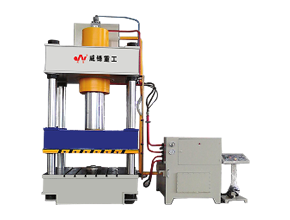
There are several types of sheet metal bending machines available, each suited for specific tasks. Hydraulic bending machines are renowned for their power and are capable of handling thicker materials. On the other hand, electric bending machines are often preferred for their energy efficiency and lower operating costs. Understanding these different types can help manufacturers choose the right machine based on their specific requirements.
Moreover, the choice of materials for bending is also a critical consideration. Common materials include steel, aluminum, and copper, each with unique properties that can affect the bending process. For instance, aluminum is lighter and easier to bend, while steel offers greater strength and durability. Manufacturers must assess the material properties to select an appropriate bending technique, ensuring optimal results.
In conclusion, sheet metal bending machines are indispensable in the fabrication industry, providing precision, efficiency, and versatility. By recognizing the operating principles, types, and material considerations, manufacturers can leverage these machines to enhance their production capabilities. Whether you're new to metal fabrication or looking to upgrade your equipment, understanding sheet metal bending machines is essential for achieving high-quality results in your projects.
At the heart of a sheet metal bending machine is its ability to apply force to a piece of metal, causing it to deform and take on a new shape. The machine typically consists of a punch, a die, and a workpiece holder. The punch applies pressure to the sheet metal, while the die serves as the mold that defines the final shape. This process is crucial in producing items ranging from simple brackets to intricate enclosures.
One of the primary advantages of using a sheet metal bending machine is the consistency it provides. Automated bending machines are equipped with advanced controls that ensure precise angles and uniformity across multiple pieces. This is particularly beneficial in high-volume production environments where maintaining quality and reducing waste are essential. Additionally, the ability to quickly adjust settings allows for flexibility in handling different projects without extensive downtime.
There are several types of sheet metal bending machines available, each suited for specific tasks. Hydraulic bending machines are renowned for their power and are capable of handling thicker materials. On the other hand, electric bending machines are often preferred for their energy efficiency and lower operating costs. Understanding these different types can help manufacturers choose the right machine based on their specific requirements.
Moreover, the choice of materials for bending is also a critical consideration. Common materials include steel, aluminum, and copper, each with unique properties that can affect the bending process. For instance, aluminum is lighter and easier to bend, while steel offers greater strength and durability. Manufacturers must assess the material properties to select an appropriate bending technique, ensuring optimal results.
In conclusion, sheet metal bending machines are indispensable in the fabrication industry, providing precision, efficiency, and versatility. By recognizing the operating principles, types, and material considerations, manufacturers can leverage these machines to enhance their production capabilities. Whether you're new to metal fabrication or looking to upgrade your equipment, understanding sheet metal bending machines is essential for achieving high-quality results in your projects.
Previous Page:
Related News
NanTong HAVI CNC Machinery Co., Ltd.
Phone/WhatsApp: +86 17606524813
Address: Libao Development Area,HaiAn jiangsu China