











Safety First: Best Practices for Operating Hydraulic Press Brakes
Release Time:
2026-11-28

Safety First: Best Practices for Operating Hydraulic Press Brakes
Table of Contents
- Introduction to Hydraulic Press Brakes
- Understanding Hydraulic Press Brakes
- The Importance of Safety in Press Brake Operation
- Pre-Operation Safety Checks
- Operational Safety Practices
- Post-Operation Safety Protocols
- Operator Training and Competency
- Common Safety Issues and How to Avoid Them
- Conclusion
- Frequently Asked Questions
Introduction to Hydraulic Press Brakes
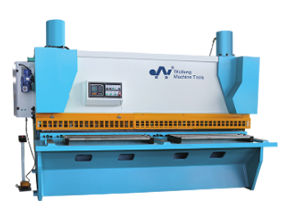
Hydraulic press brakes are essential machines in the manufacturing sector, specifically for bending and shaping metal sheets. These powerful tools leverage hydraulic systems to exert significant force, allowing fabricators to achieve precise bends. However, with this power comes the responsibility of ensuring safety for operators and the surrounding environment. It’s crucial to adopt best practices that prioritize safety without sacrificing productivity.
Understanding Hydraulic Press Brakes
Hydraulic press brakes utilize hydraulic fluid to create a force that bends metal sheets. They consist of various components, including a ram, die, and hydraulic cylinders. Understanding how these components work together is vital for safe operation. The ram moves downwards, applying force on the metal sheet placed between the die and the ram, allowing operators to create intricate shapes.
The Components of Hydraulic Press Brakes
1. **Ram**: The part that applies pressure on the workpiece.
2. **Die**: The tool that shapes the metal; different dies can create varied bend angles and shapes.
3. **Hydraulic Cylinders**: These create the force needed to move the ram.
4. **Control System**: This includes buttons, levers, or computerized interfaces that manage the operation of the press brake.
How Hydraulic Press Brakes Work
When the operator activates the machine, hydraulic fluid flows into the cylinders, pushing the ram down. The force exerted by the ram is adjustable, allowing for different bending requirements. Once the desired bend is achieved, the ram retracts, and the operator can remove the finished piece.
The Importance of Safety in Press Brake Operation
Safety in operating hydraulic press brakes cannot be overstated. Accidents can result in severe injuries, including amputations, crush injuries, and even fatalities. By adhering to safety guidelines, operators can significantly reduce the risk of accidents and ensure a safe working environment.
Statistics on Press Brake Injuries
According to industry reports, press brake accidents account for a significant percentage of workplace injuries. Many of these incidents are preventable through proper training and adherence to safety protocols.
Pre-Operation Safety Checks
Before operating a hydraulic press brake, comprehensive safety checks should be conducted. These steps ensure that the equipment is in safe working condition.
Essential Pre-Operation Checks
1. **Inspect the Machine**: Check for any visible damage or wear on the press brake components.
2. **Fluid Levels**: Ensure that the hydraulic fluid is at the appropriate level and free of contaminants.
3. **Emergency Stops**: Test the emergency stop buttons to ensure they function correctly.
4. **Safety Guards**: Confirm that all safety guards and shields are in place and secure.
5. **Electrical Connections**: Inspect electrical connections for any fraying or damage.
Operational Safety Practices
Once pre-operation checks are complete, it’s essential to follow safe practices during operation. These practices help minimize risks while maximizing efficiency.
Key Operational Safety Guidelines
1. **Wear Personal Protective Equipment (PPE)**: Always use appropriate PPE, including safety glasses, gloves, and steel-toed boots.
2. **Maintain a Clean Work Area**: Keep the workspace free of clutter and obstructions that could pose hazards.
3. **Use Proper Techniques**: Follow recommended techniques for loading and positioning materials on the press brake.
4. **Avoid Distractions**: Focus on the task at hand, and refrain from conversations or phone usage during operation.
5. **Clear Communication**: Use clear signals or communication methods with coworkers, especially when operating a machine that can move unexpectedly.
Post-Operation Safety Protocols
After completing the work, it's essential to follow specific protocols to ensure safety and machine longevity.
Important Post-Operation Steps
1. **Power Down the Machine**: Always turn off the machine and disconnect power when not in use.
2. **Clean the Area**: Remove any metal shavings and debris from the work area and the machine to prevent slips and falls.
3. **Routine Maintenance**: Schedule regular maintenance checks to keep the machine in optimal condition.
4. **Document Incidents**: Report and document any near misses or incidents that occur during operation for future reference.
Operator Training and Competency
Proper training is a cornerstone of safety when operating hydraulic press brakes. Operators must be well-versed in the machine's operation, safety features, and maintenance.
Training Requirements
1. **Comprehensive Training Programs**: Develop and implement thorough training programs for new operators.
2. **Certification**: Ensure operators are certified to operate hydraulic press brakes.
3. **Refresher Courses**: Conduct regular refresher training sessions to keep skills and knowledge current.
Common Safety Issues and How to Avoid Them
Understanding common safety issues can help operators take proactive measures to mitigate risks.
Frequent Safety Concerns
1. **Inadequate Guarding**: Ensure that all moving parts are properly guarded to prevent accidental contact.
2. **Pressure Mismanagement**: Train operators to set and monitor pressure levels to avoid excessive force that could lead to machine failure or injury.
3. **Improper Material Handling**: Teach operators the correct methods for loading and unloading materials safely.
Conclusion
Operating hydraulic press brakes involves significant risk, but by implementing best safety practices, operators can maintain a secure working environment. From pre-operation checks to ongoing training, every step in the process contributes to minimizing accidents and enhancing productivity. Safety should always be the top priority to ensure the well-being of operators and the efficiency of manufacturing processes.
Frequently Asked Questions
1. What is the most common injury associated with hydraulic press brakes?
The most common injuries include finger or hand amputations, crush injuries, and lacerations due to improper operation or lack of safety measures.
2. How often should hydraulic press brakes be maintained?
Routine maintenance should be conducted at least annually, but a thorough inspection should be performed before each use.
3. What protective gear should operators wear?
Operators should wear safety glasses, gloves, and steel-toed boots at a minimum to protect against potential injuries.
4. How can I ensure my press brake is safe to operate?
Conduct comprehensive pre-operation checks, including inspecting the machine, verifying fluid levels, and ensuring all safety features are operational.
5. Is training necessary for all press brake operators?
Yes, comprehensive training is essential for all operators to ensure they understand machine operation and safety practices.
By following these best practices and prioritizing safety, we can create a more secure environment for everyone involved in operating hydraulic press brakes.
Previous Page:
Related News
NanTong HAVI CNC Machinery Co., Ltd.
Phone/WhatsApp: +86 17606524813
Address: Libao Development Area,HaiAn jiangsu China