











The Essential Guide to CNC Press Brakes: Transforming Sheet Metal Fabrication
Release Time:
2026-11-27

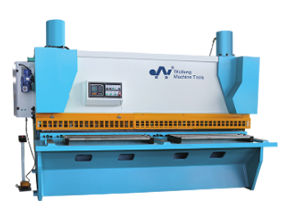
CNC press brakes are vital machines in the sheet metal fabrication industry, renowned for their precision and efficiency in bending metal sheets to desired angles. These machines utilize Computer Numerical Control (CNC) technology to automate the bending process, ensuring that high levels of accuracy are maintained throughout production. The integration of CNC technology allows operators to program intricate designs, leading to expedited workflows and reduced human error.
One of the primary advantages of using CNC press brakes is their ability to produce consistent results across large production runs. Traditional manual bending methods often lead to variations due to human error or inconsistencies in technique. However, with CNC press brakes, each bend is executed precisely as programmed, facilitating better quality control and reducing the need for rework. This consistency is especially critical in industries where exact specifications must be met, such as automotive and aerospace manufacturing.
Moreover, CNC press brakes enhance operational efficiency. Operators can input complex bending sequences into the system, allowing for quick adjustments and transitions between different projects. This versatility is crucial in a fast-paced manufacturing environment, where adaptability can significantly impact overall productivity. Additionally, CNC press brakes are equipped with advanced features like automatic tooling recognition and integrated safety systems, which streamline operations and enhance worker safety.
When considering the implementation of CNC press brakes, it is essential to evaluate their capacity and capabilities based on specific project requirements. Factors such as material thickness, bend radius, and the complexity of part geometry play significant roles in determining the suitable type of CNC press brake for your operations. Furthermore, investing in staff training is equally important, as proficient operators can unlock the full potential of these advanced machines, ensuring optimal performance and longevity.
Maintenance is another key aspect of maximizing the efficiency of CNC press brakes. Regular inspections and upkeep keep the machinery in top condition, helping to prevent unexpected breakdowns and prolonging its operational life. Implementing a structured maintenance schedule can lead to significant cost savings in the long run.
In conclusion, CNC press brakes are indispensable tools in the sheet metal fabrication sector, offering precision, efficiency, and adaptability. By understanding their functionalities and investing in proper training and maintenance, companies can leverage these machines to enhance their manufacturing processes, ultimately leading to higher quality products and improved bottom lines.
Previous Page:
Related News
NanTong HAVI CNC Machinery Co., Ltd.
Phone/WhatsApp: +86 17606524813
Address: Libao Development Area,HaiAn jiangsu China