











The Mechanics Behind Four Column Hydraulic Presses: A Comprehensive Guide
Release Time:
2026-09-24

The Mechanics Behind Four Column Hydraulic Presses Explained
Table of Contents
- Introduction to Four Column Hydraulic Presses
- What is a Four Column Hydraulic Press?
- Key Components of Four Column Hydraulic Presses
- Operational Principles of Four Column Hydraulic Presses
- Types of Four Column Hydraulic Presses
- Applications of Four Column Hydraulic Presses in Industry
- Advantages of Using Four Column Hydraulic Presses
- Maintenance and Care for Four Column Hydraulic Presses
- Frequently Asked Questions (FAQs)
- Conclusion
Introduction to Four Column Hydraulic Presses
Four column hydraulic presses are essential machines in modern manufacturing, used for a variety of applications ranging from metal forming to composite material pressing. Their robust design and effective hydraulic mechanisms allow for precise pressure application, making them favored in industries that require high accuracy and efficiency. This article delves into the mechanics of four column hydraulic presses, providing a comprehensive overview of their components, operational principles, and practical applications.
What is a Four Column Hydraulic Press?
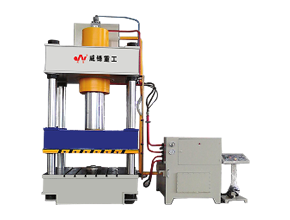
A **four column hydraulic press** consists of a frame supported by four vertical columns, with the hydraulic cylinder mounted between the columns. This design provides a stable and evenly distributed force during operation. The hydraulic press utilizes hydraulic fluid to transmit power, enabling high-pressure applications while maintaining a compact form factor.
Understanding the Hydraulic System
At the heart of the four column hydraulic press is the hydraulic system, which converts mechanical energy into hydraulic energy. When the operator activates the press, hydraulic fluid is pumped into the cylinder, causing the piston to move and apply force. This system allows for various applications, including bending, punching, and molding operations.
Key Components of Four Column Hydraulic Presses
Understanding the key components of a four column hydraulic press is essential for comprehending how it functions. Each part plays a critical role in the overall operation:
1. Frame
The frame serves as the backbone of the press, supporting all other components. Constructed from heavy-duty materials, it provides stability and durability during operation.
2. Columns
The four vertical columns guide the movement of the upper platform and ensure even pressure distribution. They are typically made from high-strength steel to withstand significant loads.
3. Hydraulic Cylinder
The hydraulic cylinder is responsible for generating the force required to perform pressing operations. It contains a piston that moves when hydraulic fluid is introduced, creating the necessary pressure.
4. Piston
The piston is the component that applies force to the workpiece. Its movement is directly controlled by the hydraulic fluid, allowing for precise pressure application.
5. Control System
Modern four column hydraulic presses come equipped with advanced control systems that allow operators to monitor and adjust settings, enhancing operational efficiency and safety.
Operational Principles of Four Column Hydraulic Presses
The operational principles of four column hydraulic presses hinge on the basic physics of hydraulics. Utilizing Pascal's law, the pressure applied to a confined fluid is transmitted uniformly in all directions. Here’s how it works:
1. Hydraulic Fluid Pumping
When the machine is activated, the hydraulic pump sends fluid into the cylinder, exerting pressure on the piston. This pressure translates into force transferred to the object being pressed.
2. Force Application
As the piston extends, it applies force to the workpiece. The four-column design ensures that this force is evenly distributed, minimizing the risk of deformation or damage to the material.
3. Pressure Regulation
Operators can regulate the pressure applied using the control system, allowing for adjustments based on the specific requirements of the operation. This flexibility is crucial for achieving desired results in various applications.
Types of Four Column Hydraulic Presses
Four column hydraulic presses come in various types, each designed for specific applications:
1. Manual Four Column Hydraulic Press
These presses require manual operation, making them suitable for small-scale applications and workshops where automation is not necessary.
2. Semi-Automatic Four Column Hydraulic Press
Offering a balance between manual and fully automatic systems, semi-automatic presses simplify operations while still requiring some operator involvement.
3. Fully Automatic Four Column Hydraulic Press
Fully automatic presses are equipped with advanced systems that allow for unattended operation. Ideal for high-volume production, these presses enhance efficiency and reduce labor costs.
4. Custom Four Column Hydraulic Press
Some manufacturers offer custom hydraulic presses tailored to specific industry needs. These machines incorporate unique features or specifications to meet specialized requirements.
Applications of Four Column Hydraulic Presses in Industry
Four column hydraulic presses find application in numerous industries due to their versatility and efficiency:
1. Metal Forming
Commonly used in the metalworking industry, these presses are ideal for shaping and forming metal components, such as brackets, plates, and other structural elements.
2. Plastic Molding
In the plastics industry, four column hydraulic presses are employed for molding applications, including injection molding and thermoplastic forming.
3. Composite Material Pressing
These presses are crucial in the production of composite materials, where precise pressure is required to ensure proper bonding of layers.
4. Automotive Manufacturing
Automotive companies utilize four column hydraulic presses for producing parts and components, ensuring high levels of precision and efficiency.
5. Aerospace Industry
The aerospace sector relies on these presses for manufacturing critical components that demand stringent performance standards.
Advantages of Using Four Column Hydraulic Presses
The adoption of four column hydraulic presses offers numerous advantages, making them a popular choice in industrial applications:
1. High Precision
These presses provide excellent precision and repeatability, ensuring consistent results in manufacturing processes.
2. Increased Efficiency
The hydraulic system allows for rapid force application, enhancing the overall production speed compared to mechanical presses.
3. Versatility
Four column hydraulic presses can be adapted for a wide range of applications, making them suitable for various industries.
4. Low Maintenance Costs
With fewer moving parts than mechanical presses, hydraulic presses tend to have lower maintenance requirements, translating to cost savings over time.
5. Operator Safety
Modern four column hydraulic presses are equipped with safety features to protect operators, ensuring a safer working environment.
Maintenance and Care for Four Column Hydraulic Presses
Proper maintenance is crucial for ensuring the longevity and performance of four column hydraulic presses. Here are essential maintenance tips:
1. Regular Inspections
Perform routine inspections to identify any signs of wear or damage in hydraulic components. Early detection can prevent more significant issues.
2. Hydraulic Fluid Replacement
Regularly check and replace hydraulic fluid to ensure optimal performance. Contaminated fluid can lead to severe damage to the hydraulic system.
3. Lubrication
Ensure that all moving parts, including guides and bearings, are adequately lubricated to minimize friction and wear.
4. Calibration
Periodically calibrate the machine to maintain accuracy in pressure application and ensure consistent results.
5. Operator Training
Invest in training for operators to enhance safety and efficiency in machine operation, reducing the risk of accidents and equipment damage.
Frequently Asked Questions (FAQs)
1. What is the typical pressure range for four column hydraulic presses?
Four column hydraulic presses usually operate within a pressure range of 10 to 100 tons, depending on the specific model and application.
2. Can four column hydraulic presses be used for both metal and plastic materials?
Yes, four column hydraulic presses are versatile and can be utilized for processing both metal and plastic materials effectively.
3. How do I determine the right size of a hydraulic press for my application?
The required size depends on the materials being processed and the specific applications. Consulting with a manufacturer can provide tailored guidance for your needs.
4. Are four column hydraulic presses more expensive than other types of presses?
While four column hydraulic presses may have a higher initial cost, their efficiency, precision, and lower maintenance costs often result in long-term savings.
5. What are the most common safety features found in modern hydraulic presses?
Common safety features include emergency stop buttons, pressure relief valves, and safety guards to protect operators during operation.
Conclusion
Four column hydraulic presses represent a critical innovation in the field of industrial machinery, providing unparalleled precision and versatility for various applications. Their robust design and advanced hydraulic systems enable manufacturers to achieve high levels of efficiency and accuracy, making them indispensable in numerous industries. By understanding the mechanics, components, and maintenance requirements of these machines, businesses can optimize their operations and ensure long-term success. As technology continues to evolve, staying informed about the latest advancements in hydraulic press technology will be essential for maintaining a competitive edge in the market.
Previous Page:
Related News
NanTong HAVI CNC Machinery Co., Ltd.
Phone/WhatsApp: +86 17606524813
Address: Libao Development Area,HaiAn jiangsu China