











Enhancing Production with a Four Column Hydraulic Press: A Comprehensive Guide
Release Time:
2026-09-08

Enhancing Production with a Four Column Hydraulic Press
Introduction to Four Column Hydraulic Presses
In the ever-evolving landscape of industrial manufacturing, the four column hydraulic press stands out as a pivotal equipment choice for enhancing production efficiency. Designed for a variety of applications, this machinery is built to optimize processes, reduce production time, and improve product quality.
The Mechanism Behind Four Column Hydraulic Presses
Understanding the mechanics of a four column hydraulic press is crucial for any manufacturer. The press operates using a hydraulic system that relies on liquid fluid to generate force.
Key Components of a Four Column Hydraulic Press
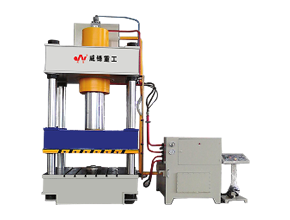
The press consists of four main columns that provide stability and support, ensuring uniform pressure across the workpiece. Other essential components include:
- **Hydraulic Cylinders**: These are responsible for generating the force necessary to perform the pressing action.
- **Control Systems**: Advanced electronic controls enable precise adjustments to pressure and speed, ensuring optimal performance.
- **Base Plate and Worktable**: These surfaces provide a stable foundation for the materials being processed.
How Four Column Hydraulic Presses Work
When activated, the hydraulic fluid is directed into the cylinders, pushing the piston upwards. This motion applies force to the workpiece positioned on the worktable, allowing for various operations such as stamping, bending, and forming. The four-column design ensures that the force is distributed evenly, reducing the risk of deformation.
Benefits of Using a Four Column Hydraulic Press
Investing in a four column hydraulic press offers numerous advantages that can significantly enhance production capabilities.
Increased Efficiency and Productivity
The efficient design of four column hydraulic presses enables faster cycle times and higher throughput, allowing manufacturers to produce more in less time.
Precision and Consistency
These presses offer unparalleled precision, ensuring that each operation yields consistent results. This is particularly critical in industries where tight tolerances are necessary, such as automotive and aerospace manufacturing.
Versatility in Applications
Four column hydraulic presses are suitable for a wide range of applications, including:
- **Metal Forming**: Ideal for stamping, bending, and shaping metal components.
- **Composite Manufacturing**: Used in the production of specialized materials for various industries.
- **Plastic Molding**: Effective in shaping plastics through various molding techniques.
Choosing the Right Four Column Hydraulic Press for Your Needs
Selecting the appropriate hydraulic press involves considering several factors that align with your production requirements.
Assessing Your Production Capacity
Evaluate the volume of production needed. A press with higher tonnage will be necessary for more demanding applications.
Understanding Material Requirements
Different materials require different pressures and configurations. Understanding the specific materials you will be working with is critical in selecting the right machine.
Considering Customization Options
Many manufacturers offer customization options for four column hydraulic presses. Tailoring the machine to fit specific applications can significantly enhance performance.
Installation and Maintenance Best Practices
Proper installation and maintenance are vital for optimizing the performance of your four column hydraulic press.
Installation Tips
Ensure that the press is installed on a level surface to maintain stability. Additionally, follow the manufacturer's guidelines for hydraulic system setup to prevent leaks and operational issues.
Maintenance Practices
Regular maintenance, including hydraulic fluid checks, seal inspections, and valve calibrations, is essential. Establishing a routine maintenance schedule can prolong the life of the press and enhance its efficiency.
Safety Considerations When Operating Four Column Hydraulic Presses
Safety should always be a priority in any industrial setting. When operating a four column hydraulic press, consider the following safety measures:
Protective Equipment
Ensure that all operators wear appropriate personal protective equipment (PPE), including gloves, goggles, and ear protection.
Operator Training
Comprehensive training programs for operators can prevent accidents and ensure that all personnel are familiar with the press's functionalities and safety features.
Future Trends in Four Column Hydraulic Press Technology
The technological landscape is continuously evolving, and so are hydraulic presses. Here are some future trends to watch for:
Integration with Smart Technology
Future hydraulic presses will likely incorporate advanced automation and IoT technology, allowing for real-time monitoring and analytics.
Enhanced Energy Efficiency
As sustainability becomes increasingly important, manufacturers are focusing on energy-efficient designs and technologies for hydraulic presses.
Case Studies: Success Stories with Four Column Hydraulic Presses
Examining real-world applications of four column hydraulic presses can provide valuable insights into their effectiveness.
Case Study 1: Automotive Industry
An automotive manufacturer implemented a four column hydraulic press to streamline their production of metal components. The switch led to a 30% increase in production speed and reduced material waste by 15%.
Case Study 2: Aerospace Component Manufacturing
Aerospace firms have utilized four column hydraulic presses to achieve precision in component fabrication. This has resulted in lower production costs and improved compliance with safety regulations.
Frequently Asked Questions (FAQs)
What is the difference between a four column hydraulic press and a two column hydraulic press?
Four column hydraulic presses provide enhanced stability and even force distribution compared to two column designs, making them more suitable for larger and more complex applications.
How do I know the right tonnage for my hydraulic press?
The required tonnage depends on the material and thickness. Consult with manufacturers or conduct tests to determine the appropriate force needed for your specific applications.
Can a four column hydraulic press be used for non-metal materials?
Yes, four column hydraulic presses can efficiently process a variety of materials, including plastics and composites, making them versatile for multiple industries.
What are the common maintenance tasks for a hydraulic press?
Common maintenance tasks include checking hydraulic fluid levels, inspecting seals and hoses for leaks, and calibrating pressure settings.
What are the advantages of automation in hydraulic presses?
Automation in hydraulic presses enhances efficiency, improves precision, reduces labor costs, and minimizes human error, leading to higher productivity.
Conclusion
A four column hydraulic press is an invaluable asset in the industrial sector, offering efficiency, precision, and versatility. By understanding its mechanics, benefits, and future trends, manufacturers can make informed decisions that enhance their production processes. With proper maintenance and safety measures in place, these presses can significantly contribute to your operational success, driving productivity and quality in your manufacturing endeavors. Investing in a four column hydraulic press is not just a step towards modernization; it's a commitment to excellence in production.
Related News
NanTong HAVI CNC Machinery Co., Ltd.
Phone/WhatsApp: +86 17606524813
Address: Libao Development Area,HaiAn jiangsu China