











Essential Insights on Plate Bending Machines for Manufacturing Professionals
Release Time:
2026-06-06

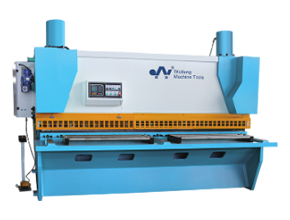
Plate bending machines are indispensable in the manufacturing and metalworking sectors, primarily used for shaping and forming metal plates into various desired configurations. These machines come in a variety of designs and functionalities, tailored to meet specific industrial needs. Understanding how plate bending machines operate and the features they offer can significantly enhance production efficiency and product quality.
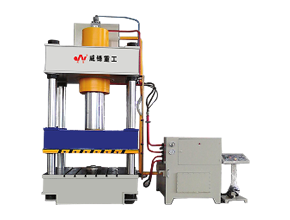
At their core, plate bending machines employ various mechanisms to apply force to metal plates, facilitating their bending into specific angles and shapes. There are several types of plate bending machines, including hydraulic, mechanical, and electric machines. Hydraulic plate bending machines are particularly favored for their ability to handle thicker materials and provide greater precision in bending operations. In contrast, mechanical machines can be more suitable for lighter applications and faster production rates.
One of the most critical considerations when selecting a plate bending machine is its capacity. This includes the maximum thickness and width of the plates it can handle, as well as the types of materials compatible with the machine. Knowing the specifications is crucial for ensuring that the machine aligns with your operational requirements and the types of projects you undertake.
Another essential aspect is the machine's control system. Modern plate bending machines often feature advanced CNC (Computer Numerical Control) technology, allowing for precise control over the bending process. This technology enhances consistency and reduces the likelihood of errors, making it an ideal choice for high-volume production environments. However, traditional manual controls may still be relevant for specific applications where simplicity and direct control are preferred.
Maintenance is a vital factor that directly impacts the longevity and performance of plate bending machines. Regular inspections and servicing can prevent unexpected breakdowns and ensure that the machine operates at optimal efficiency. Operators should also be familiar with best practices for handling and setting up the machine to maintain its accuracy and reliability over time.
In conclusion, plate bending machines play a crucial role in the manufacturing industry, offering versatility and precision in metal forming. By understanding the types, capacities, control systems, and maintenance requirements of these machines, manufacturing professionals can make informed decisions that enhance productivity and product quality. Emphasizing efficiency and reliability in your operations will enable you to leverage the full potential of plate bending machines, driving success in your projects and overall business.
At their core, plate bending machines employ various mechanisms to apply force to metal plates, facilitating their bending into specific angles and shapes. There are several types of plate bending machines, including hydraulic, mechanical, and electric machines. Hydraulic plate bending machines are particularly favored for their ability to handle thicker materials and provide greater precision in bending operations. In contrast, mechanical machines can be more suitable for lighter applications and faster production rates.
One of the most critical considerations when selecting a plate bending machine is its capacity. This includes the maximum thickness and width of the plates it can handle, as well as the types of materials compatible with the machine. Knowing the specifications is crucial for ensuring that the machine aligns with your operational requirements and the types of projects you undertake.
Another essential aspect is the machine's control system. Modern plate bending machines often feature advanced CNC (Computer Numerical Control) technology, allowing for precise control over the bending process. This technology enhances consistency and reduces the likelihood of errors, making it an ideal choice for high-volume production environments. However, traditional manual controls may still be relevant for specific applications where simplicity and direct control are preferred.
Maintenance is a vital factor that directly impacts the longevity and performance of plate bending machines. Regular inspections and servicing can prevent unexpected breakdowns and ensure that the machine operates at optimal efficiency. Operators should also be familiar with best practices for handling and setting up the machine to maintain its accuracy and reliability over time.
In conclusion, plate bending machines play a crucial role in the manufacturing industry, offering versatility and precision in metal forming. By understanding the types, capacities, control systems, and maintenance requirements of these machines, manufacturing professionals can make informed decisions that enhance productivity and product quality. Emphasizing efficiency and reliability in your operations will enable you to leverage the full potential of plate bending machines, driving success in your projects and overall business.
Previous Page:
Next Page:
Related News
NanTong HAVI CNC Machinery Co., Ltd.
Phone/WhatsApp: +86 17606524813
Address: Libao Development Area,HaiAn jiangsu China