











Top 5 Benefits of Using a Metal Bending Machine in Manufacturing
Release Time:
2026-04-18

Top 5 Benefits of Using a Metal Bending Machine in Manufacturing
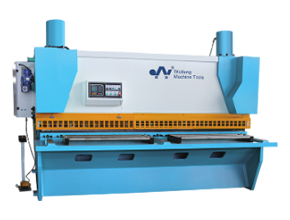
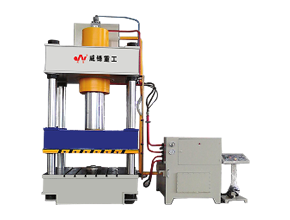
Manufacturing processes are continually evolving, driven by the need for precision, efficiency, and cost-effectiveness. Among the most significant advancements in this sector are **metal bending machines**. These machines play a crucial role in shaping metals to create parts and products that meet various specifications. In this article, we will explore the **top five benefits** of incorporating a metal bending machine into your manufacturing operations.
Table of Contents
- 1. Enhanced Precision and Accuracy in Metal Bending
- 2. Increased Efficiency and Productivity
- 3. Versatility in Manufacturing Processes
- 4. Cost-Effectiveness and Long-Term Savings
- 5. Improved Safety in the Workplace
- FAQs About Metal Bending Machines
- Conclusion
1. Enhanced Precision and Accuracy in Metal Bending
One of the primary advantages of using a metal bending machine is its ability to deliver **high levels of precision** and accuracy. In any manufacturing setting, the need for exact measurements is paramount. Metal bending machines utilize advanced technology, such as CNC (Computer Numerical Control) systems, which allow for minute adjustments and repeatable processes.
With precision bending, manufacturers can achieve tight tolerances, significantly reducing the risk of errors. This level of accuracy ensures that parts fit together seamlessly, which is particularly important in industries such as automotive, aerospace, and construction. Additionally, the improved precision can lead to **higher quality products**, enhancing overall customer satisfaction.
2. Increased Efficiency and Productivity
Another compelling benefit of metal bending machines is the **increased efficiency** they bring to the manufacturing process. Traditional metalworking methods can be time-consuming and labor-intensive, often requiring multiple steps and manual intervention. In contrast, metal bending machines streamline this process.
These machines can operate at higher speeds and can handle multiple bending operations without the need for constant recalibration. This capability means that manufacturers can produce more components in less time, boosting overall productivity. Moreover, with automation features integrated into these machines, businesses can reduce labor costs and minimize human error, leading to a more efficient workflow.
3. Versatility in Manufacturing Processes
Metal bending machines are incredibly versatile, accommodating a wide range of materials and thicknesses. This adaptability allows manufacturers to **tailor their operations** to meet specific project demands. Whether working with aluminum, steel, or other metals, these machines can bend materials of varying gauges, making them ideal for different applications.
Furthermore, modern metal bending machines can perform various bending techniques, such as air bending, bottom bending, and coining. This versatility means that manufacturers are not limited to a specific type of bending; they can explore innovative designs and create complex geometries that enhance their product offerings.
4. Cost-Effectiveness and Long-Term Savings
Investing in a metal bending machine can lead to substantial **cost savings** over time. While the initial investment may seem significant, the long-term benefits often outweigh the costs. By enhancing efficiency and reducing waste through precise bending processes, manufacturers can see a marked decrease in production costs.
Furthermore, the durability of metal bending machines contributes to their cost-effectiveness. High-quality machines require less maintenance and have longer lifespans, resulting in lower operational costs. In addition, the ability to produce higher-quality products can lead to increased sales, further improving the return on investment.
5. Improved Safety in the Workplace
Safety is a critical concern in any manufacturing environment. Metal bending machines are designed with operator safety in mind, incorporating features that reduce the risk of accidents and injuries. For example, many modern machines include safety guards, emergency stop buttons, and automatic shut-off features that enhance the safety of operators.
By utilizing metal bending machines, manufacturers can minimize the need for manual handling of heavy materials and complex bending operations, which often pose significant safety risks. Additionally, with improved precision and automation, the likelihood of mistakes that could lead to workplace injuries is significantly reduced.
FAQs About Metal Bending Machines
1. What types of materials can be bent using a metal bending machine?
Metal bending machines can typically handle a variety of metals, including steel, aluminum, brass, and copper. The specific materials that can be processed depend on the capabilities of the machine.
2. How does a CNC metal bending machine work?
CNC metal bending machines utilize computer software to control the bending process. Operators input the desired specifications into the machine, which then executes precise bends automatically, ensuring consistent results.
3. What is the difference between air bending and bottom bending?
Air bending involves using a punch to create a bend without forcing the material against a die, allowing for some flexibility. Bottom bending, on the other hand, fully forces the material against the die, resulting in a more accurate bend but potentially requiring more force.
4. Are metal bending machines suitable for small-scale production?
Yes, modern metal bending machines can be adjusted for both large-scale and small-scale production runs, making them versatile for various manufacturing needs.
5. What maintenance is required for metal bending machines?
Regular maintenance includes cleaning, lubrication of moving parts, and checking for any wear and tear. Following the manufacturer's guidelines for maintenance will help ensure optimal performance and longevity of the machine.
Conclusion
In conclusion, the benefits of using a metal bending machine in manufacturing are substantial. From **enhanced precision** and **efficiency** to **versatility**, **cost-effectiveness**, and **improved safety**, these machines are invaluable assets in today’s manufacturing landscape. As industries continue to seek ways to optimize their processes, investing in advanced metal bending technology is not just a smart choice—it’s essential for staying competitive. By understanding these benefits, manufacturers can make informed decisions and leverage metal bending machines to enhance their production capabilities.
Previous Page:
Related News
NanTong HAVI CNC Machinery Co., Ltd.
Phone/WhatsApp: +86 17606524813
Address: Libao Development Area,HaiAn jiangsu China