











Understanding Plate Bending Machines: Essential Insights for Efficient Metal Fabrication
Release Time:
2026-03-28

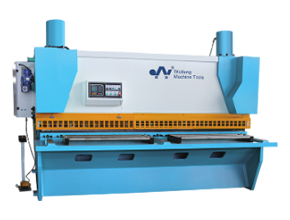
Plate bending machines are vital tools in the manufacturing and metalworking sectors, specifically designed to shape and bend metal plates into desired configurations. These machines come in various designs, each optimized for different thicknesses, materials, and bending requirements. Understanding the capabilities and functionalities of plate bending machines is essential for manufacturers looking to enhance their production efficiency and quality.
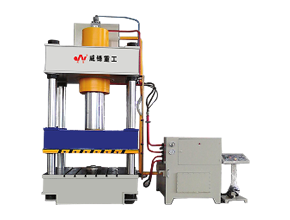
At the core of plate bending machine operations is the mechanism that applies pressure to the metal plates, allowing them to be shaped into curves, angles, or other specifications as needed. One of the most common types of plate bending machines is the hydraulic bending machine, which uses hydraulic power to exert significant force on the metal. This type is especially useful for thick plates where maximum bending force is required.
Another popular type is the mechanical bending machine, which utilizes mechanical levers and linkages to achieve the bending action. While generally more straightforward in design, mechanical machines are often limited in the thickness and type of materials they can process compared to hydraulic counterparts. However, they may be more suitable for lighter applications or where speed is a priority.
When selecting a plate bending machine, several factors need to be considered. These include the thickness and type of materials you will be working with, the desired bending radius, and the production volume. Additionally, operators should pay attention to the machine's precision and speed, as these factors directly impact the quality of the finished product.
Modern plate bending machines often come equipped with advanced features such as CNC (Computer Numerical Control) systems, which allow for more precise and complex bending operations. These systems can significantly reduce setup time, improve repeatability, and enable operators to execute intricate designs with ease. Moreover, automation in plate bending machines can lead to increased productivity and reduced labor costs.
Safety is also an essential aspect of operating plate bending machines. Proper training for operators and adherence to safety protocols can prevent accidents and injuries during the bending process. It is crucial to ensure that all safety guards and emergency stop functions are in place and in working order.
In conclusion, plate bending machines are indispensable in the metal fabrication landscape, offering the ability to create a wide range of components with accuracy and efficiency. By understanding the various types, functionalities, and operational safety, manufacturers can leverage these machines to meet their production goals and enhance their competitive edge in the market. Whether investing in new machinery or optimizing existing workflows, having a comprehensive grasp of plate bending machines is vital for achieving success in the industry.
At the core of plate bending machine operations is the mechanism that applies pressure to the metal plates, allowing them to be shaped into curves, angles, or other specifications as needed. One of the most common types of plate bending machines is the hydraulic bending machine, which uses hydraulic power to exert significant force on the metal. This type is especially useful for thick plates where maximum bending force is required.
Another popular type is the mechanical bending machine, which utilizes mechanical levers and linkages to achieve the bending action. While generally more straightforward in design, mechanical machines are often limited in the thickness and type of materials they can process compared to hydraulic counterparts. However, they may be more suitable for lighter applications or where speed is a priority.
When selecting a plate bending machine, several factors need to be considered. These include the thickness and type of materials you will be working with, the desired bending radius, and the production volume. Additionally, operators should pay attention to the machine's precision and speed, as these factors directly impact the quality of the finished product.
Modern plate bending machines often come equipped with advanced features such as CNC (Computer Numerical Control) systems, which allow for more precise and complex bending operations. These systems can significantly reduce setup time, improve repeatability, and enable operators to execute intricate designs with ease. Moreover, automation in plate bending machines can lead to increased productivity and reduced labor costs.
Safety is also an essential aspect of operating plate bending machines. Proper training for operators and adherence to safety protocols can prevent accidents and injuries during the bending process. It is crucial to ensure that all safety guards and emergency stop functions are in place and in working order.
In conclusion, plate bending machines are indispensable in the metal fabrication landscape, offering the ability to create a wide range of components with accuracy and efficiency. By understanding the various types, functionalities, and operational safety, manufacturers can leverage these machines to meet their production goals and enhance their competitive edge in the market. Whether investing in new machinery or optimizing existing workflows, having a comprehensive grasp of plate bending machines is vital for achieving success in the industry.
Related News
NanTong HAVI CNC Machinery Co., Ltd.
Phone/WhatsApp: +86 17606524813
Address: Libao Development Area,HaiAn jiangsu China