










Understanding Steel Plate Rolling Machines: Essential Insights for Professionals
Release Time:
2026-01-31

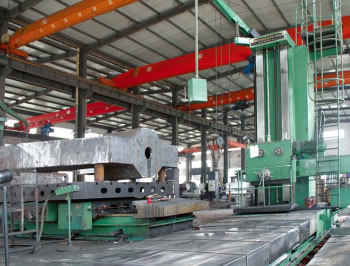
Steel plate rolling machines are vital equipment in the manufacturing and machining sectors, especially for industries that require the bending and shaping of metal sheets. These machines are specifically designed to handle a variety of tasks involving the rolling and forming of steel plates into desired shapes, such as cylinders, cones, and other intricate profiles. Understanding the functionality and applications of steel plate rolling machines is crucial for professionals in the field.
One of the primary functions of a steel plate rolling machine is to transform flat sheets of metal into curved forms. This process typically involves three rollers arranged in a pyramid configuration, where the top roller exerts pressure on the two lower rollers. As the steel plate passes through this setup, it gradually bends into the desired curvature. The design and precision of these machines allow for various thicknesses and sizes of steel plates to be processed, making them versatile tools in fabrication shops.
The benefits of using steel plate rolling machines are numerous. Firstly, they enhance productivity by allowing for continuous operation, which can significantly reduce the time required to complete large-scale projects. Additionally, these machines are equipped with advanced technology that ensures high precision in bending operations, resulting in fewer defects and waste. This precision is particularly important in industries where tight tolerances are critical, such as aerospace and automotive manufacturing.
In terms of considerations for professionals, it’s essential to evaluate the specific requirements of your operation before selecting a steel plate rolling machine. Factors such as the thickness and width of the steel plates you intend to work with, as well as the complexity of the shapes needed, will influence your choice. Furthermore, it’s advisable to consider the machine's ease of use, maintenance needs, and the level of automation it offers. Investing in a machine that balances these factors can lead to improved efficiency and cost-effectiveness in your production processes.
When operating steel plate rolling machines, safety should always be a priority. Proper training and adherence to safety protocols are crucial, as the machines deal with heavy materials and high forces. Ensuring that operators are well-informed about the machine's capabilities and limitations can help mitigate risks and enhance workplace safety.
In summary, steel plate rolling machines play an indispensable role in the metalworking industry. By understanding their functions, benefits, and operational considerations, professionals can make informed decisions that contribute to increased productivity and quality in their manufacturing processes. Whether you are a seasoned professional or new to the field, gaining insights into these machines is essential for staying competitive in the dynamic landscape of manufacturing.
One of the primary functions of a steel plate rolling machine is to transform flat sheets of metal into curved forms. This process typically involves three rollers arranged in a pyramid configuration, where the top roller exerts pressure on the two lower rollers. As the steel plate passes through this setup, it gradually bends into the desired curvature. The design and precision of these machines allow for various thicknesses and sizes of steel plates to be processed, making them versatile tools in fabrication shops.
The benefits of using steel plate rolling machines are numerous. Firstly, they enhance productivity by allowing for continuous operation, which can significantly reduce the time required to complete large-scale projects. Additionally, these machines are equipped with advanced technology that ensures high precision in bending operations, resulting in fewer defects and waste. This precision is particularly important in industries where tight tolerances are critical, such as aerospace and automotive manufacturing.
In terms of considerations for professionals, it’s essential to evaluate the specific requirements of your operation before selecting a steel plate rolling machine. Factors such as the thickness and width of the steel plates you intend to work with, as well as the complexity of the shapes needed, will influence your choice. Furthermore, it’s advisable to consider the machine's ease of use, maintenance needs, and the level of automation it offers. Investing in a machine that balances these factors can lead to improved efficiency and cost-effectiveness in your production processes.
When operating steel plate rolling machines, safety should always be a priority. Proper training and adherence to safety protocols are crucial, as the machines deal with heavy materials and high forces. Ensuring that operators are well-informed about the machine's capabilities and limitations can help mitigate risks and enhance workplace safety.
In summary, steel plate rolling machines play an indispensable role in the metalworking industry. By understanding their functions, benefits, and operational considerations, professionals can make informed decisions that contribute to increased productivity and quality in their manufacturing processes. Whether you are a seasoned professional or new to the field, gaining insights into these machines is essential for staying competitive in the dynamic landscape of manufacturing.
Previous Page:
Related News
NanTong HAVI CNC Machinery Co., Ltd.
Phone/WhatsApp: +86 17606524813
Address: Libao Development Area,HaiAn jiangsu China