











How CNC Bending Machines Revolutionize Metal Fabrication Processes
Release Time:
2025-07-14

How CNC Bending Machines Revolutionize Metal Fabrication Processes
Table of Contents
- Introduction to CNC Bending Machines
- Understanding CNC Bending Technology
- Advantages of CNC Bending Machines in Metal Fabrication
- Applications of CNC Bending in Metal Fabrication
- How to Choose the Right CNC Bending Machine
- Maintenance and Care for CNC Bending Machines
- Future Trends in CNC Bending Technology
- Frequently Asked Questions
- Conclusion
Introduction to CNC Bending Machines
In today's fast-paced manufacturing landscape, the **need for precision and efficiency** is more critical than ever. This is where CNC (Computer Numerical Control) bending machines come into play. These machines have **transformed the metal fabrication industry**, allowing manufacturers to produce intricate and accurate components with ease. With their ability to bend metal sheets and tubes to precise angles and shapes, CNC bending machines have become essential tools in various sectors, including automotive, aerospace, and construction.
Understanding CNC Bending Technology
CNC bending technology involves the use of computerized controls to guide the bending process of metal materials. Unlike traditional bending methods, which are often labor-intensive and require skilled operators, CNC bending machines automate the bending process. This automation leads to **increased accuracy** and **reduced human error**.
The Components of CNC Bending Machines
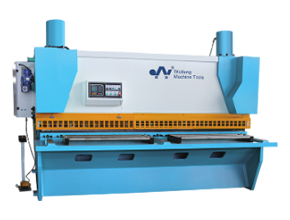
A typical CNC bending machine consists of several key components:
- **Control System**: The heart of the machine, responsible for interpreting design specifications and directing the bending operations.
- **Bending Tool**: This includes the punch and die that shape the material during the bending process.
- **Material Holding System**: Ensures that the workpiece remains firmly in place while being bent.
- **Hydraulic or Electric Drive System**: Provides the necessary force for bending the material to the desired specifications.
How CNC Bending Machines Work
The operation begins with the input of design specifications into the control system. The machine then automatically positions the material, applies the required force, and bends it to the desired angle. This process can be repeated with different materials and designs, showcasing the **versatility of CNC bending machines**.
Advantages of CNC Bending Machines in Metal Fabrication
CNC bending machines offer a range of advantages that make them indispensable in metal fabrication.
Enhanced Precision and Consistency
One of the most significant benefits of CNC bending machines is their ability to produce **highly precise bends**. The computerized control ensures that every bend is consistent, reducing the risk of errors that often occur with manual bending methods.
Increased Efficiency and Productivity
CNC machines can operate at a much faster pace than human operators, significantly increasing productivity. This increased efficiency translates to lower production costs and quicker turnaround times for projects.
Flexibility in Design
CNC bending machines can easily accommodate various designs without the need for extensive retooling. This flexibility allows manufacturers to respond to changing market demands and customer specifications quickly.
Lower Labor Costs
With automation, the need for skilled labor is minimized. Companies can allocate their workforce to other critical areas, optimizing resource utilization.
Improved Safety
CNC bending machines are designed with safety features that protect operators from potential hazards associated with manual bending processes. This leads to a safer working environment and reduces the likelihood of workplace accidents.
Applications of CNC Bending in Metal Fabrication
CNC bending machines are versatile and can be utilized across various applications in metal fabrication.
Automotive Industry
In the automotive sector, CNC bending machines are used to produce components such as brackets, frames, and exhaust systems. The precision offered by these machines ensures that parts fit perfectly, enhancing vehicle performance and safety.
Aerospace Industry
The aerospace industry demands the highest levels of precision. CNC bending machines are employed to manufacture parts for aircraft, ensuring structural integrity and compliance with strict regulatory standards.
Construction Industry
In construction, CNC bending machines are essential for creating metal frameworks, railings, and support structures. Their ability to produce complex shapes and designs efficiently makes them invaluable in this industry.
Manufacturing of Household Appliances
CNC bending machines are also widely used in the production of household appliances, where they help create metal casings and structural components.
How to Choose the Right CNC Bending Machine
Selecting the right CNC bending machine is crucial for optimizing production processes. Here are key factors to consider:
Material Type and Thickness
Different machines are suited for various materials. It's essential to choose a machine that can handle the specific types of metal you intend to work with, including sheet thickness.
Bending Capacity
Consider the maximum bending angle and length the machine can achieve. Ensure it aligns with your production needs.
Control System Features
Look for machines with user-friendly control systems that allow for easy programming and operation. Advanced features like real-time monitoring can enhance productivity.
After-Sales Support and Maintenance
Opt for manufacturers that offer robust after-sales support, including training, maintenance, and availability of spare parts.
Maintenance and Care for CNC Bending Machines
Proper maintenance is crucial for ensuring the longevity and performance of CNC bending machines.
Regular Cleaning
Keep the machine clean to prevent dust and debris from affecting its operation. Regularly check for any signs of wear or damage.
Software Updates
Ensure that the machine's software is up to date. Manufacturers often release updates that can enhance performance and security.
Routine Inspections
Conduct routine inspections to identify any potential issues before they escalate. This proactive approach can save time and reduce repair costs.
Future Trends in CNC Bending Technology
As technology continues to evolve, so too will CNC bending machines. Here are some trends to watch for:
Integration of AI and Machine Learning
The integration of AI may lead to smarter machines that can optimize bending processes based on historical data and real-time analytics.
Increased Use of Automation
Automation will continue to play a significant role in enhancing the efficiency and accuracy of CNC bending machines.
Advancements in Materials Science
As new materials are developed, CNC bending machines will need to adapt. Future machines may be designed to work with lighter, stronger materials that require specialized bending techniques.
Frequently Asked Questions
1. What is a CNC bending machine?
A CNC bending machine is an automated tool used to bend metal materials into specific shapes and angles with high precision.
2. How does CNC bending differ from traditional bending?
CNC bending uses computerized controls to achieve consistent and accurate bends, whereas traditional bending relies on manual techniques that can be prone to errors.
3. What materials can be bent using CNC machines?
CNC bending machines can work with various materials, including steel, aluminum, brass, and other metals, depending on the machine's specifications.
4. What industries use CNC bending machines?
CNC bending machines are widely used in industries such as automotive, aerospace, construction, and appliance manufacturing.
5. How can I ensure the longevity of my CNC bending machine?
Regular maintenance, including cleaning, software updates, and routine inspections, will help ensure your machine operates efficiently and lasts longer.
Conclusion
CNC bending machines have undeniably transformed the metal fabrication landscape, offering enhanced precision, efficiency, and flexibility. As industries continue to evolve and demand higher standards, the role of CNC bending machines will only grow. Investing in these advanced technologies not only streamlines production processes but also positions businesses to compete effectively in a rapidly changing market. Embracing the future of CNC bending is essential for any manufacturer looking to thrive in the metal fabrication industry.
Related News
NanTong HAVI CNC Machinery Co., Ltd.
Phone/WhatsApp: +86 17606524813
Address: Libao Development Area,HaiAn jiangsu China