











Understanding the Advantages of CNC Press Brake Technology in Contemporary Manufacturing
Release Time:
2025-06-13

Understanding the Advantages of CNC Press Brake Technology in Contemporary Manufacturing
Table of Contents
- 1. Introduction to CNC Press Brake Technology
- 2. What is CNC Press Brake Technology?
- 3. Key Advantages of CNC Press Brake Technology
- 3.1 Precision and Accuracy
- 3.2 Enhanced Efficiency
- 3.3 Versatility in Manufacturing
- 3.4 Reduced Labor Costs
- 4. Applications of CNC Press Brake Technology in Various Industries
- 5. Future Trends in CNC Press Brake Technology
- 6. Frequently Asked Questions
- 6.1 What are the typical costs associated with CNC press brake machines?
- 6.2 How does CNC press brake technology improve safety in manufacturing?
- 6.3 Can CNC press brakes handle complex geometries?
- 6.4 What is the difference between CNC and conventional press brakes?
- 6.5 How often should CNC press brakes be maintained?
- 7. Conclusion
1. Introduction to CNC Press Brake Technology
In today's fast-paced manufacturing environment, **CNC press brake technology** stands out as a pivotal innovation that has transformed how metal forms and shapes are produced. As industries evolve and the demand for precision increases, understanding the benefits of CNC press brakes becomes essential for manufacturers looking to stay competitive. This article comprehensively explores the technology, its advantages, applications, and future trends.
2. What is CNC Press Brake Technology?
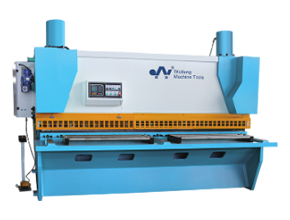
CNC (Computer Numerical Control) press brakes are advanced machines that utilize computer technology to control the bending process of metal sheets. Unlike traditional press brakes, which rely on manual operations, CNC press brakes automate the bending process, allowing for greater precision and repeatability. This technology employs sophisticated software that calculates the optimal bending parameters, ensuring high-quality results with minimal human intervention.
3. Key Advantages of CNC Press Brake Technology
3.1 Precision and Accuracy
One of the most significant advantages of CNC press brakes is the **precision and accuracy** they offer. With advanced computing technology, these machines can create complex shapes and intricate designs that would be nearly impossible to achieve manually. The use of digital readouts and automatic calibration ensures that each bend is performed to exact specifications, reducing errors and waste.
3.2 Enhanced Efficiency
Efficiency is paramount in manufacturing, and CNC press brakes excel in this aspect. They can process multiple parts in a single run, significantly reducing production time. The automated nature of CNC technology allows for quick setup changes and processing of different materials without the need for extensive reconfiguration. This enhanced efficiency translates to lower operating costs and higher throughput.
3.3 Versatility in Manufacturing
CNC press brakes are incredibly versatile, capable of handling various materials, including steel, aluminum, and specialized alloys. They can produce a wide range of products, from simple brackets to complex assemblies. This versatility makes them suitable for various industries, including automotive, aerospace, and construction. Manufacturers can adapt their offerings to meet diverse customer needs without investing in multiple machines.
3.4 Reduced Labor Costs
By automating the bending process, CNC press brakes significantly reduce the dependency on skilled labor. While initial investments in CNC technology may be higher than traditional machines, the long-term savings on labor costs can be substantial. With fewer operators required and reduced training time needed for new employees, manufacturers can allocate resources to other critical areas of their operations.
4. Applications of CNC Press Brake Technology in Various Industries
CNC press brakes are widely used across many industries due to their adaptability and efficiency. Some notable applications include:
1. **Automotive Manufacturing**: CNC press brakes are used to create structural components, frames, and brackets with high precision, essential for maintaining safety and performance standards.
2. **Aerospace Engineering**: The aerospace industry relies on the precision of CNC press brakes to manufacture components that meet strict weight and stability requirements.
3. **Construction and Architecture**: CNC press brakes produce customized metalwork for buildings, ensuring that designs are both functional and visually appealing.
4. **HVAC Systems**: Manufacturers of heating, ventilation, and air conditioning systems use CNC press brakes to create ducts and other related components, ensuring efficient airflow and energy conservation.
5. **Metal Fabrication Shops**: Custom fabricators benefit from the flexibility of CNC press brakes, enabling them to create unique parts for various products and projects.
5. Future Trends in CNC Press Brake Technology
As technology continues to advance, CNC press brakes are evolving to meet the demands of modern manufacturing. Some future trends include:
1. **Integration of AI and Machine Learning**: Future CNC press brakes will likely utilize artificial intelligence to analyze production data in real-time, optimizing bending processes and reducing scrap.
2. **Increased Automation**: The integration of robotics with CNC technology will further automate material handling and part loading, enhancing overall efficiency.
3. **Sustainability Initiatives**: Manufacturers are increasingly focusing on sustainability. Future CNC press brakes may incorporate energy-efficient technologies and processes that minimize waste and resource consumption.
4. **Enhanced Software Solutions**: As software continues to improve, operators can expect even more intuitive interfaces that simplify programming and allow for greater customization.
5. **Remote Monitoring and Control**: The rise of Industry 4.0 means that CNC press brakes will increasingly feature capabilities for remote monitoring and diagnostics, enabling manufacturers to maintain productivity even from afar.
6. Frequently Asked Questions
6.1 What are the typical costs associated with CNC press brake machines?
The cost of CNC press brake machines can vary widely based on size, capacity, and features. Entry-level models may start around $50,000, while high-end machines with advanced capabilities can exceed $200,000.
6.2 How does CNC press brake technology improve safety in manufacturing?
CNC press brakes enhance safety through features like automatic shutoff, safety guards, and sensors that prevent accidents. Operators can work with reduced physical strain and lower risk of injury due to automated processes.
6.3 Can CNC press brakes handle complex geometries?
Yes, CNC press brakes are designed to handle complex geometries with ease. Their programming capabilities allow for intricate designs and multiple bends in a single operation, ensuring high-quality results.
6.4 What is the difference between CNC and conventional press brakes?
The primary difference lies in automation. CNC press brakes use computer technology for precision and repeatability, while conventional press brakes require manual adjustments and are less efficient for high-volume production.
6.5 How often should CNC press brakes be maintained?
Regular maintenance is crucial for optimal performance. Manufacturers should schedule maintenance checks at least once a year and conduct daily inspections for wear and tear to ensure longevity and efficiency.
7. Conclusion
CNC press brake technology represents a significant advancement in the manufacturing landscape, offering a multitude of benefits that enhance precision, efficiency, and versatility. As industries continue to evolve, adopting CNC technology will not only streamline operations but also position manufacturers for future success in a competitive market. By understanding and leveraging the advantages of CNC press brakes, businesses can improve productivity, reduce costs, and ultimately thrive in the modern manufacturing arena. Investing in this technology is not just about keeping up; it’s about leading the way toward innovation and efficiency.
Related News
NanTong HAVI CNC Machinery Co., Ltd.
Phone/WhatsApp: +86 17606524813
Address: Libao Development Area,HaiAn jiangsu China