











Unlocking Precision: The Essential Guide to CNC Press Brake Machines
Release Time:
2025-06-07

Unlocking Precision: The Essential Guide to CNC Press Brake Machines
Table of Contents
- 1. Introduction to CNC Press Brake Machines
- 2. What is a CNC Press Brake Machine?
- 3. Working Principle of CNC Press Brake Machines
- 4. Types of CNC Press Brake Machines
- 4.1 Mechanical Press Brakes
- 4.2 Hydraulic Press Brakes
- 4.3 Electric Press Brakes
- 4.4 Hybrid Press Brakes
- 5. Benefits of Using CNC Press Brake Machines
- 6. How to Choose the Right CNC Press Brake Machine
- 7. Maintenance Tips for CNC Press Brake Machines
- 8. The Future of CNC Press Brake Technology
- 9. Frequently Asked Questions
- 10. Conclusion
1. Introduction to CNC Press Brake Machines
In the realm of manufacturing, **CNC press brake machines** stand out as essential tools designed for bending metal sheets with precision and efficiency. With advancements in technology, these machines have evolved to become more user-friendly, enabling manufacturers to achieve intricate designs while minimizing waste. This guide aims to delve into the intricacies of CNC press brake machines, offering insights into their function, types, benefits, and the factors to consider when selecting the right machine for your specific needs.
2. What is a CNC Press Brake Machine?
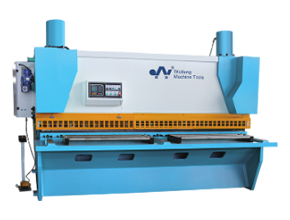
A **CNC (Computer Numerical Control) press brake machine** is a type of machine used to bend sheet metal into various shapes and angles. Unlike traditional press brakes that require manual operation, CNC machines use computer programming to control the bending process, allowing for greater accuracy and repeatability.
The primary components of a CNC press brake include the following:
- **Frame:** Provides structural support and stability.
- **Ram:** Moves up and down to apply pressure to the workpiece.
- **Back Gauge:** Positions the metal sheet for precise bending angles.
- **Control System:** The brain of the machine, which interprets the CNC program and directs the machine’s movements.
3. Working Principle of CNC Press Brake Machines
The working principle of **CNC press brake machines** revolves around the concept of applying force to a sheet of metal to create a bend. The process typically involves the following steps:
1. **Programming:** The operator inputs the desired specifications into the machine’s control system using CAD/CAM software. This program dictates the exact movements and operations needed for the bending process.
2. **Sheet Loading:** The metal sheet is placed onto the machine bed and positioned using the back gauge.
3. **Bending Operation:** The ram descends with precision, applying force to the metal sheet against a die to create the desired bend. The machine can execute multiple bends in a single pass if programmed accordingly.
4. **Finishing:** After bending, the sheet is removed from the machine, ready for further processing or assembly.
This automated process greatly enhances productivity and ensures consistent quality, making CNC press brake machines invaluable in manufacturing.
4. Types of CNC Press Brake Machines
Understanding the various types of CNC press brake machines available can help manufacturers select the most suitable option for their operations. Here are the primary categories:
4.1 Mechanical Press Brakes
Mechanical press brakes utilize a mechanical system to transfer force from the ram to the workpiece. These machines are often faster and less expensive than other types but can be limited in terms of the material thickness they can handle.
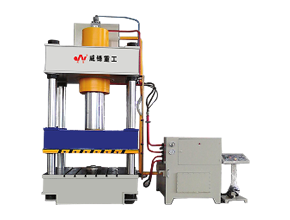
4.2 Hydraulic Press Brakes
Hydraulic press brakes employ hydraulic cylinders to lift and lower the ram. This type is known for its versatility and can handle various material thicknesses, making it suitable for most manufacturing applications.
4.3 Electric Press Brakes
Electric press brakes are gaining popularity due to their energy efficiency and precision. They operate using electric motors instead of hydraulic systems, resulting in reduced operating costs and less maintenance.
4.4 Hybrid Press Brakes
Hybrid press brakes combine hydraulic and electric technologies to deliver the benefits of both systems. They offer versatility, reduced energy consumption, and exceptional precision, making them ideal for complex bending tasks.
5. Benefits of Using CNC Press Brake Machines
CNC press brake machines provide a host of advantages for manufacturers, including:
- **Precision Bending:** The use of CNC programming results in highly accurate bends, reducing the likelihood of errors and the need for rework.
- **Increased Efficiency:** Automation speeds up the production process, allowing for quicker turnaround times and increased output.
- **Flexibility:** CNC press brakes can be easily reprogrammed to accommodate different designs, making them suitable for various projects.
- **Reduced Labor Costs:** Automation minimizes the need for manual labor, cutting down on labor costs and allowing skilled workers to focus on more complex tasks.
- **Enhanced Safety:** Modern CNC press brakes come equipped with safety features that reduce the risk of accidents during operation.
6. How to Choose the Right CNC Press Brake Machine
Selecting the right CNC press brake machine is a critical decision that can impact your manufacturing efficiency and output quality. Here are key factors to consider:
- **Material Type and Thickness:** Consider the types of materials you’ll be working with and their thickness. Different machines have varying capabilities.
- **Bending Length:** Evaluate the maximum bending length required for your projects, ensuring the machine can accommodate your specifications.
- **Control System:** Opt for a machine with an intuitive control system that aligns with your team's skill set. A user-friendly interface can significantly improve productivity.
- **Budget:** Establish a budget that encompasses not just the upfront cost of the machine but also ongoing maintenance and operational costs.
- **Brand Reputation:** Research manufacturers and their reputations in the industry. A well-regarded brand often signifies reliability and quality.
7. Maintenance Tips for CNC Press Brake Machines
To ensure the longevity and performance of your CNC press brake machine, regular maintenance is essential. Here are some maintenance tips:
- **Regular Cleaning:** Keep the machine clean from debris and metal shavings to prevent operational issues.
- **Lubrication:** Ensure that all moving parts are adequately lubricated to reduce wear and tear.
- **Check Alignments:** Periodically check the alignment of the ram and tool to ensure consistent bending accuracy.
- **Software Updates:** Keep the machine’s software updated to benefit from the latest features and improvements.
- **Professional Servicing:** Schedule regular professional servicing to identify and rectify any potential issues before they escalate.
8. The Future of CNC Press Brake Technology
The landscape of CNC press brake technology is continually evolving, with innovations focused on enhancing productivity, safety, and precision. Future trends may include:
- **AI Integration:** The incorporation of artificial intelligence can lead to smarter machines capable of optimizing bending processes in real-time.
- **Advanced Materials:** Future machines may be designed to work with a broader range of materials, including advanced composites.
- **Automation and Robotics:** Increased integration of robotics for loading and unloading materials could further streamline operations and reduce manual handling.
- **Sustainability:** With a growing emphasis on sustainability, manufacturers are likely to invest in machines that consume less energy and produce less waste.
9. Frequently Asked Questions
**Q1: What is the difference between mechanical and hydraulic press brakes?**
A1: Mechanical press brakes use a mechanical system for force transfer, while hydraulic press brakes employ hydraulic cylinders. Hydraulic machines are generally more versatile and can handle various material thicknesses.
**Q2: Can CNC press brakes be used for different materials?**
A2: Yes, CNC press brakes can be programmed to work with various materials, including steel, aluminum, and more. The choice of the machine often depends on the specific material and its thickness.
**Q3: How often should I perform maintenance on my CNC press brake machine?**
A3: Regular maintenance is crucial. It’s advisable to perform daily checks, weekly cleanings, and schedule professional servicing at least once a year.
**Q4: Are CNC press brakes easy to operate?**
A4: While CNC press brakes require some training to operate, many modern machines feature user-friendly interfaces that simplify the programming and operation process.
**Q5: How does CNC programming affect the bending process?**
A5: CNC programming allows for precise control over the bending process, resulting in accurate bends and reducing material waste. It enables the machine to execute complex designs with ease.
10. Conclusion
CNC press brake machines are indispensable in modern manufacturing, offering precision, efficiency, and versatility. Understanding their workings, types, benefits, and maintenance can greatly enhance your operations. As technology advances, staying informed about the latest developments in CNC press brake technology will empower manufacturers to remain competitive in an ever-evolving market. By investing in the right machine and practices, you can unlock the full potential of your manufacturing capabilities and achieve exceptional results in metal fabrication.
Next Page:
Related News
NanTong HAVI CNC Machinery Co., Ltd.
Phone/WhatsApp: +86 17606524813
Address: Libao Development Area,HaiAn jiangsu China