











Understanding Plate Bending Machines: Essential Insights for Manufacturing Professionals
Release Time:
2026-09-27

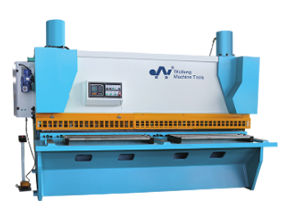
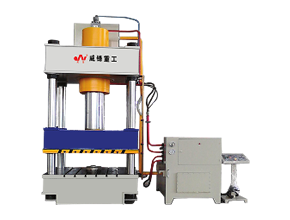
Plate bending machines are vital tools in the manufacturing and metalworking industries, specifically designed for the deformation of flat metal sheets into various curved shapes. These machines are essential for producing cylindrical components, conical shapes, and more, allowing for a wide range of applications in industries such as construction, automotive, and aerospace.
The operation of a plate bending machine typically involves the use of three or four rollers. The material is fed into the machine, which gradually bends the plate into the desired radius. The design of the machine and the arrangement of its rollers can greatly affect the quality and precision of the final product. A well-structured plate bending machine ensures uniform bending and minimizes the risk of defects in the material.
One of the key advantages of using a plate bending machine is the efficiency it brings to the production process. These machines can handle large sheets of metal, making them ideal for high-volume production environments. They also offer a level of precision that is difficult to achieve with manual bending methods. By automating the bending process, manufacturers can reduce labor costs and increase overall productivity.
In addition, advancements in technology have led to the development of CNC (Computer Numerical Control) plate bending machines. These machines allow for enhanced control and automation in the bending process. CNC technology enables manufacturers to program specific bending parameters, ensuring consistent results and reducing the likelihood of human error. This level of precision is particularly beneficial for projects that demand high-quality standards and tight tolerances.
Another significant aspect of plate bending machines is their versatility. They can accommodate various types of materials, including aluminum, steel, and stainless steel, making them suitable for a diverse range of applications. Additionally, the machines can be adjusted to handle different thicknesses of metal sheets, which broadens their usability in various manufacturing processes.
Maintenance is crucial for ensuring the longevity and optimal performance of a plate bending machine. Regular inspections and servicing can help identify potential issues before they escalate, ultimately saving time and costs associated with unexpected breakdowns. Operators should be trained to follow proper maintenance protocols and to understand the machine's operational limits to prevent wear and tear.
In summary, plate bending machines play a critical role in the manufacturing industry by facilitating the efficient and precise bending of metal sheets. Their ability to automate processes, adapt to various materials, and produce high-quality results makes them an indispensable asset in metalworking applications. Understanding the functioning and benefits of these machines can empower professionals to optimize their operations and improve their production capabilities.
Previous Page:
Next Page:
Related News
NanTong HAVI CNC Machinery Co., Ltd.
Phone/WhatsApp: +86 17606524813
Address: Libao Development Area,HaiAn jiangsu China