











Why Every Manufacturer Needs a Hydraulic Press Brake in Their Machinery Arsenal
Release Time:
2026-09-14

Why Every Manufacturer Needs a Hydraulic Press Brake in Their Machinery Arsenal
Table of Contents
- 1. Introduction to Hydraulic Press Brakes
- 2. Understanding Hydraulic Press Brakes
- 3. Benefits of Hydraulic Press Brakes in Manufacturing
- 3.1 Precision and Accuracy
- 3.2 Versatility in Applications
- 3.3 Efficiency and Speed
- 3.4 Reduced Labor Costs
- 3.5 Enhanced Safety Features
- 4. Applications of Hydraulic Press Brakes in Various Industries
- 5. Choosing the Right Hydraulic Press Brake for Your Needs
- 6. Maintenance Tips for Hydraulic Press Brakes
- 7. Common FAQs About Hydraulic Press Brakes
- 8. Conclusion
1. Introduction to Hydraulic Press Brakes
In today’s fast-paced manufacturing environment, having the right machinery can significantly impact production efficiency and product quality. Among the essential tools in a manufacturer’s arsenal is the **hydraulic press brake**. This formidable machine is designed for bending and shaping metal sheets with incredible precision, making it a cornerstone of modern metalworking processes. Understanding the functionality and advantages of hydraulic press brakes not only enhances operational efficiency but also helps manufacturers stay competitive in an increasingly demanding market.
2. Understanding Hydraulic Press Brakes
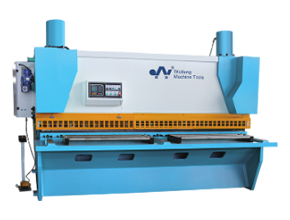
A hydraulic press brake operates on the principle of hydraulic force, employing hydraulic cylinders to generate the required pressure for bending metal sheets. Unlike mechanical press brakes, hydraulic systems offer more flexibility and power, allowing for **greater control over the bending process**. The machine consists of several key components: a work table, ram, and pressing mechanism, all designed to work in unison to produce precise bends in various materials.
### How Hydraulic Press Brakes Work
When the operator inputs the desired specifications into the machine’s CNC (computer numerical control) system, the hydraulic press brake utilizes programmable logic controllers to execute precise movements. This level of control minimizes errors and ensures that each piece meets the required specifications.
3. Benefits of Hydraulic Press Brakes in Manufacturing
Investing in a hydraulic press brake brings numerous advantages to any manufacturing facility. Below, we explore some of the most significant benefits that make this machinery a must-have.
3.1 Precision and Accuracy
One of the most compelling reasons to incorporate a hydraulic press brake into your operations is the **unmatched precision and accuracy** it offers. The advanced technology and CNC capabilities allow for consistent and repeatable results, which is critical for high-quality manufacturing. Whether you are producing small batches or large quantities, the hydraulic press brake ensures that each part is manufactured to exact specifications, reducing waste and rework.
3.2 Versatility in Applications
Hydraulic press brakes are not limited to one type of application. They are incredibly versatile and can handle a variety of materials—including aluminum, stainless steel, and mild steel. Additionally, they can produce different types of bends and shapes, making them ideal for industries ranging from metal fabrication to automotive manufacturing. This versatility allows manufacturers to adapt to changing market demands without needing to invest in additional machinery.
3.3 Efficiency and Speed
Time is money in manufacturing, and hydraulic press brakes are designed to maximize both efficiency and speed. With rapid cycle times and the ability to handle multiple operations in a single setup, manufacturers can significantly reduce lead times. The hydraulic system also enables fast recovery times, allowing for quick adjustments and optimizing workflow.
3.4 Reduced Labor Costs
Automating the bending process with a hydraulic press brake can lead to substantial **savings in labor costs**. With fewer operators needed to manage the bending process, businesses can allocate resources more effectively. Additionally, the reduced likelihood of human error translates into lower costs associated with defects and rework.
3.5 Enhanced Safety Features
Manufacturing environments can be hazardous, but hydraulic press brakes come equipped with a range of safety features to protect operators. These machines often include emergency stop buttons, safety guards, and automatic shut-off systems, ensuring a safer working environment. By prioritizing safety, manufacturers can reduce the risk of workplace accidents and enhance overall operational efficiency.
4. Applications of Hydraulic Press Brakes in Various Industries
Hydraulic press brakes are utilized in various industries due to their adaptability and precision. Below, we delve into some of the key sectors that benefit from these machines.
4.1 Metal Fabrication
In the metal fabrication industry, hydraulic press brakes are indispensable for producing components such as brackets, frames, and enclosures. The ability to bend metal sheets with high precision is crucial for creating parts that fit together seamlessly in assembly processes.
4.2 Automotive Industry
The automotive sector relies heavily on hydraulic press brakes for manufacturing vehicle components. From body panels to structural parts, the accuracy and efficiency of hydraulic press brakes ensure that each piece meets the stringent quality standards set by the industry.
4.3 Aerospace Sector
In the aerospace industry, where safety and precision are paramount, hydraulic press brakes play a crucial role in shaping lightweight materials for aircraft. The ability to handle complex geometries while maintaining strict tolerances is essential for both performance and safety.
4.4 Construction Industry
The construction industry also benefits from hydraulic press brakes for fabricating metal structures, including beams and columns. With the capability to produce large parts quickly and accurately, these machines help streamline construction projects and reduce delays.
5. Choosing the Right Hydraulic Press Brake for Your Needs
Selecting the right hydraulic press brake is pivotal to maximizing its benefits. Consider the following factors when making your choice:
- **Material Thickness and Type**: Assess the thickness and type of materials you will be working with to ensure the press brake can accommodate them.
- **Bending Length**: Determine the maximum bending length you require, as this will dictate the size of the machine.
- **Control Options**: Decide between manual, semi-automatic, or fully automated controls based on your operational needs and workforce capabilities.
- **Budget**: Consider your budget constraints while also weighing the long-term benefits of investing in high-quality machinery.
6. Maintenance Tips for Hydraulic Press Brakes
Proper maintenance of hydraulic press brakes is essential to ensure longevity and optimal performance. Here are some tips to keep your machine in peak condition:
- **Regular Inspections**: Schedule routine inspections to check for wear and tear on hydraulic components.
- **Fluid Levels**: Monitor hydraulic fluid levels and quality to prevent operational issues.
- **Cleanliness**: Maintain a clean work area to prevent dust and debris from interfering with the machine’s operation.
- **Calibration**: Regularly calibrate the machine to ensure accuracy in bending operations.
7. Common FAQs About Hydraulic Press Brakes
What is the difference between a hydraulic press brake and a mechanical press brake?
Hydraulic press brakes use hydraulic fluid to generate pressure, offering greater flexibility and control compared to mechanical press brakes, which rely on a mechanical system for operation.
How do I determine the right size hydraulic press brake for my operation?
Consider the thickness and type of materials you will work with, as well as the maximum bending length required. Consulting with a machinery expert can also provide tailored recommendations.
What materials can a hydraulic press brake handle?
Hydraulic press brakes can handle a wide variety of materials, including aluminum, stainless steel, mild steel, and more.
How often should I perform maintenance on my hydraulic press brake?
Regular maintenance should be conducted at least once a month, with more frequent checks for high-use machines.
Are hydraulic press brakes energy-efficient?
While hydraulic press brakes do consume energy, modern machines are designed to optimize energy use, making them more efficient than older models.
8. Conclusion
In conclusion, hydraulic press brakes are a vital component of any manufacturer’s machinery arsenal. They offer unparalleled precision, versatility, and efficiency, significantly enhancing productivity and quality across various industries. By investing in a hydraulic press brake, manufacturers can streamline operations, reduce costs, and maintain a competitive edge. Whether you are in metal fabrication, automotive, aerospace, or construction, the benefits of hydraulic press brakes are clear, making them an indispensable tool in modern manufacturing.
Previous Page:
Related News
NanTong HAVI CNC Machinery Co., Ltd.
Phone/WhatsApp: +86 17606524813
Address: Libao Development Area,HaiAn jiangsu China