











Understanding Plate Bending Machines: Key Features and Benefits
Release Time:
2026-08-19

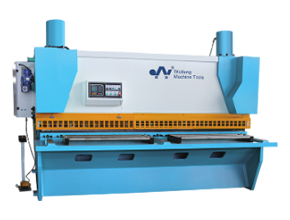
Plate bending machines are vital tools in the manufacturing and metalworking sectors, primarily designed for bending and shaping metal plates into desired forms. These machines are instrumental in producing components for a variety of industries, including construction, automotive, and shipbuilding. Understanding the features and benefits of plate bending machines can help businesses maximize their production efficiency and quality.
One of the primary characteristics of plate bending machines is their versatility. They can accommodate a range of materials, including various types of steel, aluminum, and other alloys. This flexibility allows manufacturers to work with different thicknesses and widths of plates, making it easier to produce custom components.
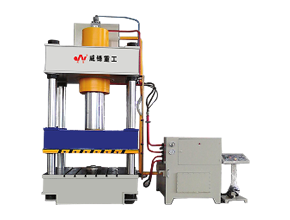
In terms of operation, plate bending machines typically utilize hydraulic systems for bending. Hydraulic bending offers several advantages, such as the ability to exert significant force on thick plates while maintaining precision. This makes hydraulic plate bending machines particularly useful for heavy-duty applications where strength and accuracy are crucial.
Another significant aspect of plate bending machines is their design. Most machines feature a three-roll or four-roll configuration, which aids in controlling the bending process more effectively. The three-roll design is often preferred for its efficiency in creating cylindrical shapes, while four-roll machines offer enhanced precision for tighter bends and better surface finish.
Moreover, advancements in technology have led to the incorporation of computerized controls in modern plate bending machines. These systems provide operators with greater control over the bending process, allowing for intricate designs and complex geometries. Features such as CNC (Computer Numerical Control) not only enhance accuracy but also streamline workflows, reducing setup time and minimizing human error.
Maintenance is another critical factor in the performance of plate bending machines. Regular maintenance ensures the longevity of the equipment and the quality of the produced components. Operators are encouraged to follow the manufacturer’s guidelines for routine checks, lubrications, and inspections to prevent breakdowns and maintain optimal performance levels.
In conclusion, plate bending machines are indispensable in the metal fabrication industry due to their versatility, efficiency, and technological advancements. Understanding the operational features of these machines can help businesses enhance their manufacturing capabilities and achieve high-quality results. As industries continue to evolve, investing in advanced plate bending technology will be key to staying competitive and meeting the demands of modern manufacturing.
One of the primary characteristics of plate bending machines is their versatility. They can accommodate a range of materials, including various types of steel, aluminum, and other alloys. This flexibility allows manufacturers to work with different thicknesses and widths of plates, making it easier to produce custom components.
In terms of operation, plate bending machines typically utilize hydraulic systems for bending. Hydraulic bending offers several advantages, such as the ability to exert significant force on thick plates while maintaining precision. This makes hydraulic plate bending machines particularly useful for heavy-duty applications where strength and accuracy are crucial.
Another significant aspect of plate bending machines is their design. Most machines feature a three-roll or four-roll configuration, which aids in controlling the bending process more effectively. The three-roll design is often preferred for its efficiency in creating cylindrical shapes, while four-roll machines offer enhanced precision for tighter bends and better surface finish.
Moreover, advancements in technology have led to the incorporation of computerized controls in modern plate bending machines. These systems provide operators with greater control over the bending process, allowing for intricate designs and complex geometries. Features such as CNC (Computer Numerical Control) not only enhance accuracy but also streamline workflows, reducing setup time and minimizing human error.
Maintenance is another critical factor in the performance of plate bending machines. Regular maintenance ensures the longevity of the equipment and the quality of the produced components. Operators are encouraged to follow the manufacturer’s guidelines for routine checks, lubrications, and inspections to prevent breakdowns and maintain optimal performance levels.
In conclusion, plate bending machines are indispensable in the metal fabrication industry due to their versatility, efficiency, and technological advancements. Understanding the operational features of these machines can help businesses enhance their manufacturing capabilities and achieve high-quality results. As industries continue to evolve, investing in advanced plate bending technology will be key to staying competitive and meeting the demands of modern manufacturing.
Next Page:
Related News
NanTong HAVI CNC Machinery Co., Ltd.
Phone/WhatsApp: +86 17606524813
Address: Libao Development Area,HaiAn jiangsu China