











Unlocking Efficiency: The Benefits of a Four Column Hydraulic Press
Release Time:
2026-08-15

Unlocking Efficiency: The Benefits of a Four Column Hydraulic Press
Table of Contents
- Introduction to Four Column Hydraulic Presses
- What is a Four Column Hydraulic Press?
- Key Features of Four Column Hydraulic Presses
- Advantages of Using a Four Column Hydraulic Press
- Applications of Four Column Hydraulic Presses in Various Industries
- Choosing the Right Four Column Hydraulic Press for Your Needs
- Maintenance and Care of Four Column Hydraulic Presses
- Frequently Asked Questions
- Conclusion
Introduction to Four Column Hydraulic Presses
In the realm of industrial machinery, efficiency and precision are paramount. The **four-column hydraulic press** has emerged as a cornerstone of many manufacturing processes due to its robust design and exceptional performance. This article delves into the significance of this equipment, highlighting how it unlocks efficiency in various applications while catering to the diverse needs of industries across the board.
What is a Four Column Hydraulic Press?
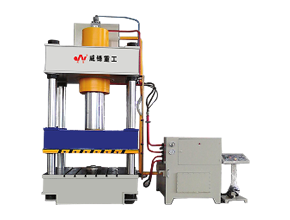
A **four-column hydraulic press** is a type of hydraulic machine that utilizes hydraulic pressure to perform various tasks, such as bending, molding, and stamping materials. Unlike other hydraulic presses, the four-column design includes four vertical columns that support the upper and lower plates. This configuration offers enhanced stability and uniform pressure distribution during operation, making it ideal for demanding industrial tasks.
Basic Components of a Four Column Hydraulic Press
The fundamental components of a four-column hydraulic press include:
- **Hydraulic Cylinder**: Generates the force necessary for pressing materials.
- **Upper and Lower Plates**: Where the material is placed for processing.
- **Guiding Columns**: Ensures the precise alignment of the upper and lower plates.
- **Hydraulic System**: Supplies the necessary hydraulic fluid to facilitate operations.
Key Features of Four Column Hydraulic Presses
Four-column hydraulic presses boast several key features that set them apart from other types of presses.
1. Enhanced Stability
The four-column design provides superior stability, allowing for accurate results even under heavy loads. This stability is crucial when working with large or thick materials that require consistent pressure.
2. Versatile Applications
These presses can easily handle various tasks, making them suitable for multiple industries, including automotive, aerospace, and manufacturing.
3. High Efficiency and Speed
The hydraulic system in these presses enables rapid cycling times, leading to increased productivity and efficiency in manufacturing processes.
4. User-Friendly Interface
Most modern four-column hydraulic presses come equipped with intuitive controls, making them easier to operate. This user-friendly design aids in minimizing training time for new operators.
5. Energy Efficient
With advancements in hydraulic technology, many four-column presses are designed to be energy-efficient, reducing operational costs and environmental impact.
Advantages of Using a Four Column Hydraulic Press
The advantages of utilizing a four-column hydraulic press extend beyond mere functionality. They impact the overall efficiency and quality of manufacturing processes.
1. Uniform Pressure Distribution
The four-column system ensures that pressure is evenly distributed across the workpiece, reducing the risk of material deformation and enhancing the quality of the finished product.
2. Increased Productivity
With faster cycle times and the ability to handle heavier loads, these presses significantly increase production rates, allowing businesses to meet market demands more effectively.
3. Lower Maintenance Costs
The robust construction and simplified design of four-column hydraulic presses lead to reduced wear and tear, resulting in lower maintenance costs over time.
4. Customization Options
Manufacturers can often customize these presses to meet their specific needs, enabling businesses to optimize their operations further.
5. Safety Features
Safety is a critical consideration in industrial settings. Four-column hydraulic presses are often equipped with various safety features, such as emergency stop buttons and safety guards, to protect operators during use.
Applications of Four Column Hydraulic Presses in Various Industries
Four-column hydraulic presses find utility in a wide range of industries due to their versatility and efficiency.
1. Automotive Industry
In the automotive sector, these presses are used for forming and stamping parts, ensuring precision and consistency in production.
2. Aerospace Manufacturing
Aerospace components require high precision and reliability, making the four-column hydraulic press an ideal choice for producing critical parts.
3. Metalworking
In metalworking applications, these presses can be used for tasks such as bending, punching, and shaping metals.
4. Plastics and Composites
The ability to handle various materials makes these presses suitable for molding plastics and composites, which are widely used in multiple applications.
5. Electronics
The electronics industry utilizes four-column hydraulic presses for encapsulating and assembling components, ensuring a high-quality end product.
Choosing the Right Four Column Hydraulic Press for Your Needs
Selecting the correct four-column hydraulic press requires careful consideration of several factors to ensure it meets your operational requirements.
1. Load Capacity
Evaluate the maximum load capacity needed for your applications to ensure the press can handle the required weight.
2. Stroke Length
Select a press with an appropriate stroke length to accommodate the thickness of the materials you will be working with.
3. Control Systems
Consider the type of control system that best matches your operational needs—manual, semi-automatic, or fully automated.
4. Manufacturer Reputation
Choose a reputable manufacturer known for quality and reliability to ensure you invest in a durable and efficient piece of equipment.
5. After-Sales Support
Look for manufacturers that offer robust after-sales support, including maintenance services and spare parts availability.
Maintenance and Care of Four Column Hydraulic Presses
Proper maintenance of four-column hydraulic presses is essential for ensuring longevity and optimal performance.
1. Regular Inspections
Conduct regular inspections of the hydraulic system, including checking for leaks and ensuring all components are functioning correctly.
2. Fluid Maintenance
Monitor the hydraulic fluid levels and quality, replacing it as needed to maintain system efficiency.
3. Cleaning
Keep the press clean to prevent contamination that could lead to mechanical failures or suboptimal performance.
4. Component Replacement
Be proactive in replacing worn components to prevent potential breakdowns and costly downtime.
5. Operator Training
Ensure that all operators are adequately trained in the safe and efficient use of the press, which can significantly reduce the risk of accidents and equipment damage.
Frequently Asked Questions
1. What is the primary advantage of a four-column hydraulic press compared to a two-column press?
The primary advantage is the improved stability and uniform pressure distribution, which enhances the quality of the finished product and allows for the processing of larger materials.
2. How can a four-column hydraulic press improve manufacturing efficiency?
By providing faster cycle times, greater load capacity, and the ability to handle a variety of materials, these presses significantly boost overall productivity.
3. Are four-column hydraulic presses suitable for small-scale operations?
Yes, many manufacturers offer compact models designed for small-scale operations, making them versatile for various industrial applications.
4. What types of materials can be processed with a four-column hydraulic press?
These presses can process metals, plastics, composites, and other materials, making them widely applicable across several industries.
5. What maintenance practices are essential for a four-column hydraulic press?
Regular inspections, fluid maintenance, cleaning, and timely component replacement are critical to maintaining the press's efficiency and longevity.
Conclusion
The **four-column hydraulic press** is an invaluable asset in modern manufacturing environments, offering unmatched efficiency and versatility across diverse applications. By understanding its features, advantages, and maintenance requirements, operators can leverage this powerful tool to streamline production processes and enhance product quality. Investing in a four-column hydraulic press not only contributes to operational efficiency but also positions businesses to meet the ever-evolving demands of the industrial landscape.
Previous Page:
Next Page:
Related News
NanTong HAVI CNC Machinery Co., Ltd.
Phone/WhatsApp: +86 17606524813
Address: Libao Development Area,HaiAn jiangsu China