











Exploring the Versatility of Metal Sheet Bending Machines in Modern Manufacturing
Release Time:
2026-07-29

Exploring the Versatility of Metal Sheet Bending Machines in Modern Manufacturing
Table of Contents
- 1. Introduction to Metal Sheet Bending Machines
- 2. Types of Metal Sheet Bending Machines
- 3. Applications of Metal Sheet Bending Machines
- 4. Benefits of Using Metal Sheet Bending Machines
- 5. Technological Advancements in Bending Machines
- 6. How to Choose the Right Metal Sheet Bending Machine
- 7. Maintenance Tips for Bending Machines
- 8. Future Trends in Metal Sheet Bending Technology
- 9. Frequently Asked Questions
- 10. Conclusion
1. Introduction to Metal Sheet Bending Machines
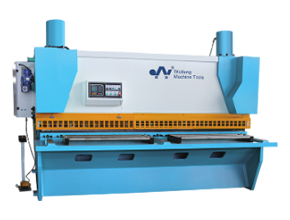
In today's rapidly evolving manufacturing landscape, **metal sheet bending machines** play a crucial role in shaping components for various industries. These machines are specifically designed to bend metal sheets into desired angles and shapes, facilitating the production of everything from automotive parts to electronic enclosures. The versatility and efficiency of these machines have made them indispensable in modern manufacturing processes.
2. Types of Metal Sheet Bending Machines
Understanding the different types of metal sheet bending machines is essential for manufacturers to select the right equipment for their needs. Here are the primary categories:
2.1 Hydraulic Bending Machines
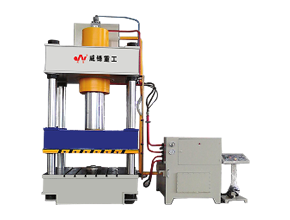
Hydraulic bending machines utilize hydraulic power to exert a significant force on the metal, allowing for precise bends. These machines are known for their ability to handle thick sheets and produce complex shapes.
2.2 Mechanical Bending Machines
Mechanical bending machines operate using a system of gears and levers. They are often faster than hydraulic machines, making them suitable for high-volume production runs.
2.3 CNC Bending Machines
**Computer Numerical Control (CNC)** bending machines represent the pinnacle of technology in the bending industry. They are programmable and can execute intricate bending patterns with high precision, making them ideal for complex projects.
2.4 Electric Bending Machines
Electric bending machines are gaining popularity due to their energy efficiency and reduced operational costs. They provide excellent precision and are suitable for small to medium-sized production runs.
3. Applications of Metal Sheet Bending Machines
Metal sheet bending machines are utilized across various industries, showcasing their versatility:
3.1 Automotive Industry
In the automotive sector, bending machines are used to create components such as chassis, brackets, and body panels. The ability to produce precise bends is critical for the functionality and safety of vehicles.
3.2 Aerospace Industry
The aerospace industry demands high precision and lightweight components, which are often formed from metal sheets. Bending machines are essential in manufacturing parts like wing ribs and fuselage sections.
3.3 Construction Industry
In construction, metal bending machines are used to fabricate structural components such as beams, columns, and roofing systems. Their durability and strength are vital for construction safety.
3.4 Electronics Sector
The electronics industry utilizes bending machines to create enclosures and brackets for various devices. The precision of bends ensures that components fit seamlessly within the final product.
4. Benefits of Using Metal Sheet Bending Machines
Investing in metal sheet bending machines offers numerous advantages for manufacturers:
4.1 Enhanced Efficiency
Bending machines significantly speed up the manufacturing process, allowing companies to meet tight deadlines and increase production rates.
4.2 Improved Precision
With advanced technologies like CNC, these machines provide unparalleled accuracy, reducing material waste and the need for rework.
4.3 Versatility in Design
Metal sheet bending machines can accommodate various shapes and sizes, enabling manufacturers to explore innovative designs without limitations.
4.4 Cost-Effectiveness
By streamlining production and minimizing waste, bending machines contribute to lower operational costs. They also reduce labor costs by automating complex processes.
5. Technological Advancements in Bending Machines
The metal bending industry is continuously evolving, bringing forth new technologies that enhance machine performance:
5.1 Automation and Smart Technology
Modern machines are equipped with smart technology that allows for real-time monitoring and adjustments during the bending process, ensuring optimal performance.
5.2 Software Integration
Advanced software solutions enable seamless integration with design applications, allowing for quick adjustments to bending specifications based on design changes.
5.3 Energy Efficiency
Newer models focus on energy-efficient operations, reducing the carbon footprint and operational costs associated with traditional machines.
6. How to Choose the Right Metal Sheet Bending Machine
Selecting the appropriate bending machine requires careful consideration of several factors:
6.1 Assess Production Needs
Evaluate the volume of production and types of materials you will be working with to determine the machine's capacity and specifications.
6.2 Consider Machine Type
Choose between hydraulic, mechanical, CNC, or electric machines based on your specific requirements and budget.
6.3 Evaluate Precision and Control
For intricate designs, prioritize machines with advanced CNC capabilities to ensure high precision and repeatability.
6.4 Review Manufacturer Reputation
Research different manufacturers and their customer feedback to ensure you invest in a reliable and durable machine.
7. Maintenance Tips for Bending Machines
Proper maintenance is key to prolonging the lifespan of metal sheet bending machines:
7.1 Regular Inspections
Conduct routine checks to identify any wear and tear on components, ensuring that the machine operates smoothly.
7.2 Lubrication and Cleaning
Keep moving parts well-lubricated and clean to maintain machine efficiency and prevent overheating.
7.3 Software Updates
Maintain updated software to ensure the machine operates with the latest features and fixes any bugs or issues.
8. Future Trends in Metal Sheet Bending Technology
As the manufacturing landscape evolves, several trends are emerging in metal sheet bending technology:
8.1 Increased Use of AI
Artificial Intelligence (AI) is expected to play a significant role in optimizing bending processes, predicting machine maintenance needs, and enhancing quality control.
8.2 Sustainable Practices
The industry is moving towards sustainability, with manufacturers focusing on eco-friendly materials and reducing waste in the bending process.
8.3 Customization and Flexibility
The demand for customized solutions is on the rise, leading to machines that offer more flexibility in production and design capabilities.
9. Frequently Asked Questions
9.1 What are the key factors to consider when choosing a bending machine?
Factors include production needs, machine type, precision, and manufacturer reputation.
9.2 How often should I perform maintenance on my bending machine?
Regular inspections and maintenance should be performed monthly, with more comprehensive checks quarterly or bi-annually.
9.3 Can bending machines handle different types of metal?
Yes, most machines can handle various metals, including aluminum, steel, and stainless steel, depending on their specifications.
9.4 What is the difference between hydraulic and mechanical bending machines?
Hydraulic machines use fluid power for bending, making them suitable for thicker materials, while mechanical machines use gears and levers for faster production.
9.5 Are CNC bending machines worth the investment?
CNC bending machines are ideal for high precision and complex designs, making them a worthwhile investment for manufacturers seeking efficiency and accuracy.
10. Conclusion
Metal sheet bending machines are a cornerstone of modern manufacturing, offering unmatched versatility and efficiency in producing a wide range of components. As technology continues to advance, these machines adapt to meet the evolving demands of various industries. By understanding the types, applications, and benefits of bending machines, manufacturers can make informed decisions that enhance productivity and ensure high-quality outputs. Investing in the right machine not only streamlines operations but also future-proofs manufacturing processes in a competitive landscape.
Related News
NanTong HAVI CNC Machinery Co., Ltd.
Phone/WhatsApp: +86 17606524813
Address: Libao Development Area,HaiAn jiangsu China