











Metal Bending Machines: A Comprehensive Beginner’s Guide to Getting Started
Release Time:
2026-07-01

Metal Bending Machines: A Comprehensive Beginner’s Guide to Getting Started
Table of Contents
- 1. Introduction to Metal Bending Machines
- 2. Types of Metal Bending Machines
- 3. How Metal Bending Machines Work
- 4. Key Considerations When Choosing a Metal Bending Machine
- 5. Applications of Metal Bending Machines
- 6. Maintenance and Care for Metal Bending Machines
- 7. Safety Tips for Operating Metal Bending Machines
- 8. FAQs about Metal Bending Machines
- 9. Conclusion
1. Introduction to Metal Bending Machines
Metal bending machines are essential tools in various industries, including manufacturing, construction, and metalworking. They allow for the precise shaping and forming of metal materials, enabling the creation of components that meet specific design requirements. For beginners, the world of metal bending can seem overwhelming, with different machines and techniques available. This guide aims to simplify the process, providing an in-depth understanding of metal bending machines and how to get started.
2. Types of Metal Bending Machines
Understanding the different types of metal bending machines is crucial for selecting the right one for your needs. Each type has its unique features, advantages, and applications.
2.1 Press Brakes
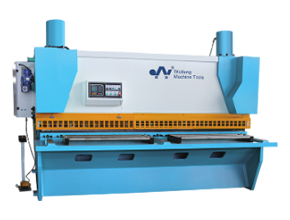
Press brakes are among the most common types of metal bending machines. They use a combination of a punch and die to achieve precise bends in sheet metal. These machines are versatile and can handle various materials, including steel, aluminum, and brass. Press brakes are ideal for producing complex shapes and are widely used in the automotive and aerospace industries.
2.2 Roll Bending Machines
Roll bending machines are designed to create cylindrical shapes by progressively bending a flat sheet of metal around three rollers. The process allows for the production of pipes, tubing, and other curved components. Roll bending is commonly used in the construction of structures such as tanks, boilers, and automotive components.
2.3 Angle Bending Machines
Angle bending machines specifically focus on bending metal angles and profiles. They are essential in fabricating frames, supports, and brackets. These machines often feature multiple bending stations, allowing for greater efficiency in producing uniform angle components.
2.4 Tube Bending Machines
Tube bending machines are specialized equipment designed for bending metal tubes and pipes. They can create complex bends without compromising the tube's structural integrity. Tube bending is vital for various applications, including automotive exhaust systems, HVAC systems, and furniture making.
3. How Metal Bending Machines Work
The operation of metal bending machines involves several key principles. Understanding these will help you effectively utilize these machines.
1. **Material Preparation:** Before bending, ensure the metal is properly prepared. This includes cutting it to the required length and cleaning it to remove any contaminants.
2. **Setup:** Adjust the machine's settings according to the material type, thickness, and desired bend angle. This may involve selecting the correct die or tool.
3. **Bending Process:** The machine applies force to the metal, causing it to deform. For instance, in a press brake, the punch descends onto the material, forcing it into the die to create the desired bend.
4. **Cooling:** Depending on the material, some bending processes may require cooling to prevent warping or damage.
5. **Inspection:** After bending, inspect the final product for accuracy and quality, ensuring it meets the required specifications.
4. Key Considerations When Choosing a Metal Bending Machine
Selecting the right metal bending machine involves careful consideration of several factors:
1. **Material Type:** Different machines are suited for various metals. Ensure the machine you choose is compatible with the materials you intend to work with.
2. **Thickness and Size:** Consider the thickness and size of the materials you'll be bending. Ensure the machine can accommodate your maximum specifications.
3. **Bending Radius:** Depending on your project, you may need to achieve specific bending radii. Make sure the machine can meet these requirements.
4. **Production Volume:** If you're running a high-volume operation, investing in a more advanced machine with automation features may be beneficial.
5. **Budget:** Determine your budget beforehand. While high-end machines offer advanced features, there are cost-effective options available that still deliver quality results for small operations.
5. Applications of Metal Bending Machines
Metal bending machines find applications across a wide range of industries:
1. **Automotive Industry:** Used for chassis, frames, and exhaust systems.
2. **Construction:** Fabricating supports, braces, and structural components.
3. **Aerospace:** Creating precise and lightweight components for aircraft.
4. **Furniture Manufacturing:** Bending metal for frames, legs, and decorative elements.
5. **HVAC Systems:** Producing ducts and pipes for heating and cooling systems.
6. Maintenance and Care for Metal Bending Machines
Proper maintenance is crucial to ensure the longevity and performance of metal bending machines. Here are some essential tips:
1. **Regular Cleaning:** Keep the machine clean from metal shavings and debris to prevent malfunctions.
2. **Lubrication:** Ensure moving parts are adequately lubricated to reduce wear and tear.
3. **Inspection:** Conduct regular inspections to identify any wear and replace parts as necessary.
4. **Calibration:** Periodically calibrate the machine to maintain precision in bending.
5. **Training:** Ensure operators are well-trained to minimize user errors that can lead to damage.
7. Safety Tips for Operating Metal Bending Machines
Safety should be a top priority when operating metal bending machines. Follow these guidelines to ensure a safe working environment:
1. **Personal Protective Equipment (PPE):** Always wear appropriate PPE, including gloves, safety glasses, and steel-toe boots.
2. **Proper Training:** Ensure all operators are trained on the specific machine they will be using.
3. **Clear Work Area:** Keep the workspace clear of unnecessary items to prevent accidents.
4. **Emergency Stops:** Familiarize yourself with the emergency shut-off features of the machine.
5. **Avoid Loose Clothing:** Loose clothing can get caught in moving parts; opt for fitted clothing and tie back long hair.
8. FAQs about Metal Bending Machines
What types of materials can metal bending machines work with?
Metal bending machines can work with a variety of materials, including steel, aluminum, brass, and copper, depending on the type of machine.
How do I determine the right bending machine for my project?
Consider the material type, thickness, required bend radius, and production volume to select the appropriate metal bending machine.
What is the average lifespan of a metal bending machine?
With proper maintenance, a metal bending machine can last anywhere from 10 to 30 years.
Can I perform bending manually, or do I need a machine?
While manual bending is possible for small projects or thin materials, machines provide precision and efficiency, especially for larger or thicker materials.
Are there any specific certifications for metal bending machine operators?
Yes, many industries require operators to have certifications that demonstrate their competency in safely operating metal bending equipment.
9. Conclusion
Metal bending machines are invaluable tools in various industries, providing the capability to shape and form metal into useful components. By understanding the different types of machines available, how they operate, and the key considerations for selection, beginners can confidently embark on their metalworking journey. Prioritizing safety, maintenance, and proper training will further enhance the experience, ensuring successful outcomes in metal fabrication. Embrace the potential of metal bending machines and elevate your projects to new heights!
Related News
NanTong HAVI CNC Machinery Co., Ltd.
Phone/WhatsApp: +86 17606524813
Address: Libao Development Area,HaiAn jiangsu China