











Maximizing Efficiency with Sheet Metal Bending Machines: A Comprehensive Guide
Release Time:
2026-05-23

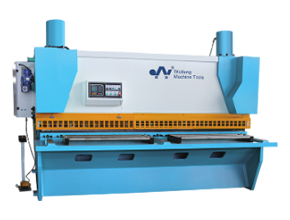
In the manufacturing and metalworking sector, sheet metal bending machines play a crucial role in shaping and forming metal components for various applications. These machines are essential for producing parts that require precise bends and angles, enabling manufacturers to create complex designs with accuracy and speed.
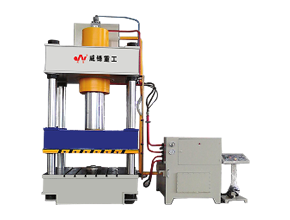
Sheet metal bending machines come in several types, including hydraulic, mechanical, and electric models. Each type has its unique advantages and is suited for different applications. Hydraulic bending machines are widely favored for their ability to handle thick materials and provide consistent pressure during the bending process. Mechanical machines, on the other hand, are often preferred for lighter materials and high-speed production due to their quick cycle times. Electric machines are gaining popularity due to their energy efficiency and lower operating costs, making them an attractive option for modern manufacturing facilities.
One significant advantage of using a sheet metal bending machine is the ability to achieve repeatable precision. With technological advancements, many machines now come equipped with computerized controls and programmable features. This allows operators to input specific parameters for each job, ensuring that every bend is executed with exacting standards. Such automation significantly reduces the chances of human error, saving both time and materials in the production process.
Another critical factor to consider is the tooling options available for sheet metal bending machines. Tooling can greatly influence the quality of the bend and the overall efficiency of the operation. It is essential to choose the right type of tooling based on the material thickness, bend radius, and specific requirements of the project. Many manufacturers offer a variety of tooling options that can be easily changed or adjusted to accommodate different jobs, enhancing the versatility of the machine.
Maintenance is also an important aspect of operating a sheet metal bending machine. Regular inspections and servicing can prevent costly breakdowns and ensure that the machine operates at peak efficiency. This includes checking hydraulic systems, aligning components, and replacing worn-out tooling. By prioritizing maintenance, manufacturers can extend the lifespan of their equipment and optimize production output.
Finally, training and skill development for operators are vital for maximizing the potential of sheet metal bending machines. Investing in training programs will not only enhance the skill set of your workforce but also improve safety standards and productivity levels on the shop floor. A well-trained operator can effectively utilize the machine's features, troubleshoot issues, and maintain high-quality output.
In conclusion, sheet metal bending machines are indispensable tools in the metal fabrication industry. By understanding their capabilities, choosing the right type for your needs, and prioritizing maintenance and training, manufacturers can significantly enhance their production processes, ensuring efficiency and precision in every bend.
Sheet metal bending machines come in several types, including hydraulic, mechanical, and electric models. Each type has its unique advantages and is suited for different applications. Hydraulic bending machines are widely favored for their ability to handle thick materials and provide consistent pressure during the bending process. Mechanical machines, on the other hand, are often preferred for lighter materials and high-speed production due to their quick cycle times. Electric machines are gaining popularity due to their energy efficiency and lower operating costs, making them an attractive option for modern manufacturing facilities.
One significant advantage of using a sheet metal bending machine is the ability to achieve repeatable precision. With technological advancements, many machines now come equipped with computerized controls and programmable features. This allows operators to input specific parameters for each job, ensuring that every bend is executed with exacting standards. Such automation significantly reduces the chances of human error, saving both time and materials in the production process.
Another critical factor to consider is the tooling options available for sheet metal bending machines. Tooling can greatly influence the quality of the bend and the overall efficiency of the operation. It is essential to choose the right type of tooling based on the material thickness, bend radius, and specific requirements of the project. Many manufacturers offer a variety of tooling options that can be easily changed or adjusted to accommodate different jobs, enhancing the versatility of the machine.
Maintenance is also an important aspect of operating a sheet metal bending machine. Regular inspections and servicing can prevent costly breakdowns and ensure that the machine operates at peak efficiency. This includes checking hydraulic systems, aligning components, and replacing worn-out tooling. By prioritizing maintenance, manufacturers can extend the lifespan of their equipment and optimize production output.
Finally, training and skill development for operators are vital for maximizing the potential of sheet metal bending machines. Investing in training programs will not only enhance the skill set of your workforce but also improve safety standards and productivity levels on the shop floor. A well-trained operator can effectively utilize the machine's features, troubleshoot issues, and maintain high-quality output.
In conclusion, sheet metal bending machines are indispensable tools in the metal fabrication industry. By understanding their capabilities, choosing the right type for your needs, and prioritizing maintenance and training, manufacturers can significantly enhance their production processes, ensuring efficiency and precision in every bend.
Previous Page:
Next Page:
Related News
NanTong HAVI CNC Machinery Co., Ltd.
Phone/WhatsApp: +86 17606524813
Address: Libao Development Area,HaiAn jiangsu China