











Understanding the Different Types of Metal Bending Machines: A Comprehensive Guide for Industry Professionals
Release Time:
2025-12-27

Understanding the Different Types of Metal Bending Machines
Table of Contents
1. Introduction to Metal Bending Machines
2. The Importance of Metal Bending in Manufacturing
3. Types of Metal Bending Machines
3.1 Hydraulic Bending Machines
3.2 Mechanical Bending Machines
3.3 Electric Bending Machines
3.4 CNC Bending Machines
3.5 Press Brakes
4. Factors to Consider When Choosing a Metal Bending Machine
4.1 Material Type
4.2 Thickness and Size of Material
4.3 Production Volume
4.4 Budget Constraints
5. Applications of Metal Bending Machines in Various Industries
6. Maintenance Tips for Metal Bending Machines
7. Future Trends in Metal Bending Technology
8. Frequently Asked Questions
9. Conclusion
1. Introduction to Metal Bending Machines
Metal bending machines play a crucial role in modern manufacturing processes. They enable the shaping of metal materials into desired forms, essential for various applications across multiple industries. Understanding these machines can significantly improve your production efficiency and product quality.
2. The Importance of Metal Bending in Manufacturing
Metal bending is a fundamental process in the manufacturing sector, contributing to the creation of components used in construction, automotive, aerospace, and more. This process allows manufacturers to produce intricate shapes and designs that enhance the functionality and aesthetics of the final products. As industries evolve, the demand for sophisticated bending techniques and machines continues to grow.
3. Types of Metal Bending Machines
Numerous types of metal bending machines are available on the market today. Each type serves specific purposes and offers unique advantages. Below, we explore the main categories of metal bending machines.
3.1 Hydraulic Bending Machines
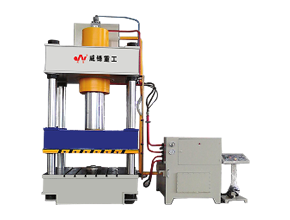
Hydraulic bending machines utilize hydraulic pressure to bend metal sheets. These machines are particularly effective for heavy-duty applications, allowing for greater force and precision. They are ideal for bending thicker materials and can handle large workpieces with ease.
3.2 Mechanical Bending Machines
Mechanical bending machines operate using mechanical means, relying on a system of levers and gears to exert force. While they are generally more affordable than hydraulic counterparts, they may not offer the same level of precision or power. However, they are suitable for lighter applications and smaller tasks.
3.3 Electric Bending Machines
Electric bending machines use electric motors to power the bending process. These machines are known for their efficiency and eco-friendly operation. They are often quieter and require less maintenance than their hydraulic and mechanical counterparts. Electric bending machines are ideal for small to medium-sized production runs.
3.4 CNC Bending Machines
Computer Numerical Control (CNC) bending machines represent the cutting edge of metal bending technology. These machines employ advanced software and automation to achieve high precision and repeatability. CNC bending machines are particularly useful for complex shapes and large production volumes, ensuring consistency across batches.
3.5 Press Brakes
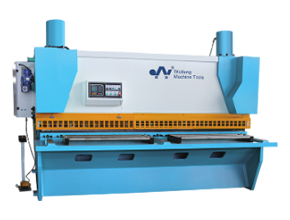
Press brakes are versatile machines commonly used for bending metal sheets. They come in various configurations, including hydraulic and mechanical models. Press brakes are essential for producing accurate bends while maintaining tight tolerances, making them popular in various manufacturing settings.
4. Factors to Consider When Choosing a Metal Bending Machine
Selecting the right metal bending machine is crucial for maximizing productivity and minimizing costs. Here are several factors to consider when making your choice.
4.1 Material Type
Different materials require specific bending techniques and forces. Understanding the type of material you will be working with—such as aluminum, steel, or copper—will help you select a machine suited to those requirements.
4.2 Thickness and Size of Material
Consider the thickness and dimensions of the materials you will be bending. Some machines are better equipped to handle larger or thicker materials, while others are more suitable for lighter, thinner sheets.
4.3 Production Volume
Determine your production volume needs. If you require high-volume production, investing in a CNC bending machine may be beneficial due to its speed and accuracy. For smaller runs, a mechanical or hydraulic machine might suffice.
4.4 Budget Constraints
Budget constraints play a significant role in the decision-making process. Consider the initial investment, maintenance costs, and potential return on investment when evaluating different machines.
5. Applications of Metal Bending Machines in Various Industries
Metal bending machines find applications across multiple industries. From automotive manufacturing to architectural metalwork, these machines play a pivotal role in producing essential components.
In the automotive industry, metal bending machines are used to create parts such as chassis, brackets, and exhaust systems. In the construction sector, they help fabricate metal frames and supports for buildings. The aerospace industry relies on precise bends for structural elements, while manufacturers of appliances use bending machines to create aesthetically pleasing and functional products.
6. Maintenance Tips for Metal Bending Machines
Regular maintenance of metal bending machines is critical for ensuring their longevity and performance. Here are some essential maintenance tips:
1. **Lubrication**: Keep moving parts well-lubricated to prevent wear and tear.
2. **Regular Inspections**: Conduct periodic inspections to check for signs of wear, damage, or misalignment.
3. **Calibration**: Regularly calibrate your machine to maintain precision and accuracy in bending operations.
4. **Cleaning**: Keep the machine clean to prevent the buildup of debris and contaminants that could affect performance.
7. Future Trends in Metal Bending Technology
The future of metal bending technology is promising, with advancements in automation, artificial intelligence, and materials science. The integration of IoT (Internet of Things) solutions will enable real-time monitoring and data analysis, improving machine efficiency and predictive maintenance. Additionally, the development of new materials will expand the capabilities of metal bending machines, allowing for the bending of previously difficult-to-work-with materials.
8. Frequently Asked Questions
What is the most common type of metal bending machine?
The most common types of metal bending machines are hydraulic and press brakes, due to their versatility and ability to handle various materials and thicknesses.
How do I determine the right bending machine for my needs?
Consider factors like the material type, thickness, production volume, and budget when selecting a metal bending machine.
What maintenance does a metal bending machine require?
Regular lubrication, inspections, calibration, and cleaning are essential for maintaining a metal bending machine's performance.
Can CNC bending machines handle complex shapes?
Yes, CNC bending machines are designed to handle intricate shapes and provide high precision in bending operations.
Are there eco-friendly options for metal bending machines?
Electric bending machines are generally more energy-efficient and produce less noise compared to hydraulic or mechanical machines, making them a more eco-friendly option.
9. Conclusion
Understanding the different types of metal bending machines is essential for industry professionals looking to optimize their operations. From hydraulic and mechanical models to advanced CNC machines, each type offers unique features and benefits tailored to specific applications. By considering factors like material type, production volume, and budget, manufacturers can make informed decisions that enhance productivity and output quality. As technology continues to evolve, staying informed about maintenance practices and emerging trends will ensure that operations remain efficient and competitive in the ever-changing landscape of manufacturing.
Previous Page:
Next Page:
Related News
NanTong HAVI CNC Machinery Co., Ltd.
Phone/WhatsApp: +86 17606524813
Address: Libao Development Area,HaiAn jiangsu China