











Transform Your Manufacturing Process with a Metal Sheet Bending Machine
Release Time:
2025-09-14

Transform Your Manufacturing Process with a Metal Sheet Bending Machine
In today's competitive manufacturing landscape, efficiency and precision are paramount. One of the most significant advancements in manufacturing technology is the metal sheet bending machine. This machine allows for accurate and efficient shaping of metal sheets into various forms, making it an indispensable tool in modern manufacturing. In this article, we will explore the transformative benefits of investing in a metal sheet bending machine, the technology behind it, and how it can enhance your manufacturing process.
Table of Contents
- What is Metal Sheet Bending?
- The Importance of Metal Sheet Bending Machines in Manufacturing
- Types of Metal Sheet Bending Machines
- How Metal Sheet Bending Machines Work
- Benefits of Using Metal Sheet Bending Machines
- Applications of Metal Sheet Bending Machines
- Choosing the Right Metal Sheet Bending Machine for Your Needs
- Maintaining Your Metal Sheet Bending Machine
- Frequently Asked Questions
- Conclusion
What is Metal Sheet Bending?
Metal sheet bending is a manufacturing process that involves deforming metal sheets to create specific shapes and angles. This process is widely used in various industries, including automotive, aerospace, and construction. The primary goal is to achieve precise bends without compromising the integrity of the metal. Various methods can accomplish metal bending, but modern machines have revolutionized this process, allowing for increased efficiency and productivity.
The Importance of Metal Sheet Bending Machines in Manufacturing
Metal sheet bending machines have become essential in the manufacturing sector due to their ability to produce consistent and high-quality results. The importance of these machines can be summarized in several key points:
1. Increased Efficiency
With automation and advanced technology, metal sheet bending machines dramatically reduce production time. Unlike manual bending methods, these machines can complete multiple bends in a fraction of the time, leading to increased output.
2. Precision and Accuracy
Metal bending machines provide unparalleled precision, ensuring that each bend meets the exact specifications required. This level of accuracy is crucial in industries where tolerances are tight, such as aerospace and automotive manufacturing.
3. Versatility
Modern metal sheet bending machines can handle various materials and thicknesses, making them adaptable to different manufacturing needs. From aluminum to stainless steel, these machines can bend various metal types, enhancing their utility in production.
Types of Metal Sheet Bending Machines
Understanding the different types of metal sheet bending machines is vital for manufacturers looking to invest in this technology. Here are some of the most common types:
1. Hydraulic Press Brake
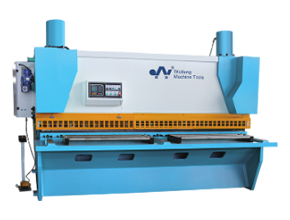
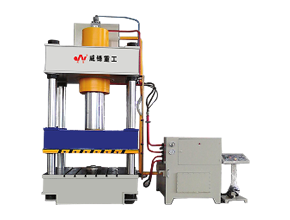
The hydraulic press brake is one of the most widely used types of metal sheet bending machines. It uses hydraulic cylinders to bend metal sheets and is known for its strength and versatility. This machine can handle large sheets and produce complex shapes with ease.
2. Mechanical Press Brake
Mechanical press brakes operate using a motor-driven mechanism that applies force to bend the metal. They are generally faster than hydraulic press brakes but may not offer the same level of flexibility. These machines are ideal for high-volume production runs.
3. CNC Press Brake
CNC (Computer Numerical Control) press brakes are advanced machines that rely on computer programming to execute precise bends. This technology allows for intricate designs and repeatability, making it perfect for complex manufacturing tasks.
4. Electric Press Brake
Electric press brakes offer a more energy-efficient alternative to hydraulic machines. They are known for their speed and accuracy and are ideal for smaller-scale production where flexibility and precision are paramount.
How Metal Sheet Bending Machines Work
The operation of metal sheet bending machines is a combination of mechanical physics and advanced technology. Here's a breakdown of the fundamental workings:
1. Loading the Material
The process begins with loading the metal sheet onto the machine. Operators must position the sheet accurately to ensure even bending. Most machines feature guides and clamps to hold the material securely in place.
2. Setting the Parameters
Before bending, operators input specific parameters into the machine's control panel. This includes the angle of the bend, the depth, and the type of material. For CNC machines, this process is automated through programming.
3. Bending the Metal
Once set, the machine applies force to the metal sheet through a die and punch mechanism. The selected parameters guide the bending process, allowing for precise and controlled shaping of the metal.
4. Inspecting the Final Product
After bending, the finished product is inspected for quality and accuracy. This step ensures that the dimensions and tolerances meet manufacturing standards.
Benefits of Using Metal Sheet Bending Machines
Investing in a metal sheet bending machine comes with numerous benefits that can greatly improve your manufacturing process:
1. Cost-Effective Production
Automating the bending process reduces labor costs and minimizes material waste. With precise bends, manufacturers can reduce scrap metal significantly, leading to overall cost savings.
2. Enhanced Quality Control
Metal sheet bending machines provide consistent results, which is crucial for quality assurance. The ability to produce identical parts with high accuracy helps maintain product quality and reduces rework.
3. Increased Production Capacity
With faster bending capabilities, manufacturers can meet higher production demands. This increased capacity allows businesses to scale operations without compromising quality.
4. Improved Worker Safety
Automated machines reduce the need for manual labor in potentially dangerous bending tasks. This shift contributes to a safer working environment and lowers the risk of workplace injuries.
Applications of Metal Sheet Bending Machines
Metal sheet bending machines are utilized across various industries, showcasing their versatility and importance. Here are some key applications:
1. Automotive Industry
In the automotive sector, bending machines are crucial for producing components like brackets, frames, and chassis parts. The need for precision and durability in these parts makes metal bending machines indispensable.
2. Aerospace Industry
The aerospace industry demands high-quality parts that are lightweight yet strong. Metal sheet bending machines enable manufacturers to create components that meet stringent safety and performance standards.
3. Construction Industry
Metal bending machines play a crucial role in the construction of buildings and infrastructure. They are used to fabricate metal forms, beams, and supports that are essential for structural integrity.
4. HVAC Systems
In heating, ventilation, and air conditioning (HVAC) systems, metal sheet bending machines are used to create ductwork and various fittings. The precision of these machines ensures that components fit together seamlessly.
Choosing the Right Metal Sheet Bending Machine for Your Needs
Selecting the appropriate metal sheet bending machine is a critical decision for any manufacturing operation. Here are some factors to consider:
1. Type of Material
Consider the types of metals you will be working with. Different machines have varying capabilities based on material thickness, hardness, and type. Ensure the chosen machine can handle your specific materials effectively.
2. Production Volume
Assess your production needs. If you require high volumes and rapid turnaround, investing in CNC or hydraulic machines may be beneficial. For smaller operations, mechanical or electric options may suffice.
3. Space and Budget Constraints
Evaluate your workspace and budget. Some machines require more floor space and a higher initial investment. Consider not just the purchase price but also the long-term operational costs.
4. Future-Proofing
Choose a machine that is adaptable to future needs and advancements in technology. Investing in a versatile and upgradable unit can save costs in the long run as your production needs evolve.
Maintaining Your Metal Sheet Bending Machine
Proper maintenance is essential to ensure the longevity and efficiency of your metal sheet bending machine:
1. Regular Cleaning
Keep the machine clean from debris, dust, and metal shavings. Regular cleaning helps prevent contamination and ensures that components function smoothly.
2. Lubrication
Lubricate moving parts as recommended by the manufacturer. Proper lubrication reduces friction, enhancing performance and extending the machine's lifespan.
3. Checking for Wear and Tear
Regularly inspect components for signs of wear and tear. Early detection of issues can prevent costly breakdowns and extend the machine's operational life.
4. Professional Servicing
Schedule regular professional servicing to ensure all components are functioning correctly. Technicians can provide insights into potential upgrades or adjustments that may improve performance.
Frequently Asked Questions
1. What materials can be bent using a metal sheet bending machine?
Metal sheet bending machines can handle a variety of materials, including aluminum, stainless steel, and mild steel. The specific capabilities depend on the machine type and model.
2. How do I determine the right machine for my needs?
Consider factors like the type of materials you will be working with, production volume, space constraints, and budget. Consulting with vendors can also provide valuable insights tailored to your requirements.
3. What is the typical lifespan of a metal sheet bending machine?
The lifespan can vary widely based on usage, maintenance, and the quality of the machine. With proper care, many machines can last over a decade.
4. Can metal sheet bending machines be used for custom projects?
Yes, many bending machines, especially CNC models, are ideal for custom projects as they can be programmed for specific designs and dimensions.
5. Are metal sheet bending machines easy to operate?
While most machines come with user-friendly interfaces, proper training is essential. Operators should be familiar with the machine’s functions to ensure safety and efficiency.
Conclusion
Investing in a metal sheet bending machine is a strategic move that can significantly enhance your manufacturing process. With increased efficiency, precision, and versatility, these machines are essential for modern production environments. By understanding the various types of machines available, how they operate, and the benefits they offer, manufacturers can make informed decisions that contribute to their success. Proper maintenance and careful selection of equipment will ensure that your investment yields long-term benefits, positioning your business for growth in an increasingly competitive market.
Related News
NanTong HAVI CNC Machinery Co., Ltd.
Phone/WhatsApp: +86 17606524813
Address: Libao Development Area,HaiAn jiangsu China