











Why Hydraulic Press Brake Machines Are Essential for Metalworking Efficiency
Release Time:
2025-08-19

Why Hydraulic Press Brake Machines Are Essential for Metalworking Efficiency
Table of Contents
- Introduction to Hydraulic Press Brake Machines
- What is a Hydraulic Press Brake Machine?
- Understanding the Mechanics of Hydraulic Press Brakes
- Top Benefits of Using Hydraulic Press Brake Machines
- Applications of Hydraulic Press Brake Machines in Metalworking
- How to Choose the Right Hydraulic Press Brake Machine
- Maintenance and Care for Hydraulic Press Brake Machines
- The Future of Hydraulic Press Brake Technology
- Frequently Asked Questions
- Conclusion
Introduction to Hydraulic Press Brake Machines
In today's fast-paced manufacturing landscape, the demand for precision and efficiency in metalworking is at an all-time high. **Hydraulic press brake machines** stand out as essential tools that facilitate this demand by enabling accurate bending and shaping of metal sheets. These machines combine advanced technology with hydraulic power to provide unparalleled efficiency, making them a cornerstone of modern metal fabrication.
What is a Hydraulic Press Brake Machine?
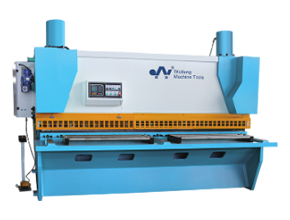
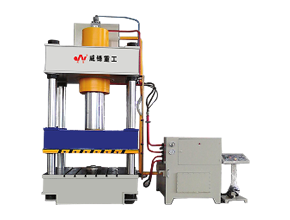
A **hydraulic press brake machine** is a specialized piece of equipment utilized in the metalworking industry to bend, shape, or form sheet metal. Unlike mechanical press brakes, which use a mechanical drive system, hydraulic press brakes employ hydraulic cylinders to generate the force necessary for bending. This unique mechanism allows for greater flexibility, consistent force application, and enhanced control over the bending process.
The Components of a Hydraulic Press Brake Machine
Understanding the makeup of a hydraulic press brake machine is crucial to appreciating its benefits. The key components include:
- **Hydraulic Cylinders**: The heart of the machine, responsible for generating the force needed to perform bending operations.
- **Ram**: The moving part that descends onto the metal sheet, shaping it according to the desired angle.
- **Bed**: The stationary part of the machine where the metal sheet is placed for bending.
- **Control System**: This includes software and hardware that guide the machine's operations, ensuring accuracy and repeatability.
Understanding the Mechanics of Hydraulic Press Brakes
The operation of hydraulic press brake machines is based on Pascal's principle, which states that pressure applied to a confined fluid is transmitted undiminished throughout the fluid. Here’s how it works:
1. **Fluid Pressurization**: The hydraulic pump sends oil into the hydraulic cylinders, increasing the pressure.
2. **Force Application**: The pressurized fluid forces the ram downwards, applying significant pressure on the metal sheet.
3. **Bending Process**: As the ram descends, it bends the metal sheet into the desired angle.
This hydraulic system allows for a more controlled and powerful operation compared to traditional mechanical systems, resulting in higher accuracy and efficiency.
Top Benefits of Using Hydraulic Press Brake Machines
The advantages of hydraulic press brake machines are numerous and significant, impacting both productivity and quality in metalworking processes.
1. Enhanced Precision and Accuracy
Hydraulic press brakes are designed for high precision, allowing for exact bending angles and consistent output. This accuracy is vital for meeting industry standards and customer expectations.
2. Increased Productivity
With their ability to perform complex bends quickly, hydraulic press brakes significantly increase productivity. Operators can set up jobs faster and produce more parts in less time, directly impacting the bottom line.
3. Flexibility in Operations
These machines can easily adapt to various materials and thicknesses. Whether you're working with aluminum, steel, or other metals, hydraulic press brakes offer the versatility required for diverse projects.
4. Reduced Operational Costs
By improving efficiency and reducing waste, hydraulic press brakes lower operational costs. Their ability to maintain high production rates with accuracy means less material wastage and labor costs.
5. Enhanced Safety Features
Modern hydraulic press brakes come equipped with advanced safety mechanisms, ensuring a safer working environment for operators. Features like light curtains and emergency stop buttons are common, helping to prevent accidents.
Applications of Hydraulic Press Brake Machines in Metalworking
Hydraulic press brake machines are utilized across various sectors within the metalworking industry. Here are some common applications:
1. Automotive Industry
In the automotive sector, hydraulic press brakes are essential for creating components like chassis parts, brackets, and frames. Their precision ensures that parts fit perfectly within larger assemblies.
2. Aerospace Manufacturing
The aerospace industry demands the highest accuracy for safety and performance. Hydraulic press brakes are critical in producing parts for aircraft, where precision is non-negotiable.
3. Construction and Structural Fabrication
Structural components for buildings and bridges often require complex bends. Hydraulic press brakes can produce these parts efficiently, contributing to the robustness of construction projects.
4. Custom Metal Fabrication
For custom shops, hydraulic press brakes provide the flexibility to create unique designs tailored to client specifications, allowing for creativity and innovation in metalworking.
How to Choose the Right Hydraulic Press Brake Machine
Choosing the right hydraulic press brake machine is crucial for maximizing efficiency and productivity. Here are key considerations:
1. Determine Your Needs
Assess the types of materials you will be working with and the thicknesses you need to accommodate. This will help you choose a machine with the appropriate specifications.
2. Evaluate Machine Size and Capacity
Consider the size of the parts you will be fabricating. Ensure the machine's bed length and tonnage capacity align with your operational requirements.
3. Look for Advanced Features
Modern hydraulic press brakes come with various features such as CNC controls and automatic back gauges, which enhance efficiency and ease of use. Investing in advanced technology can yield long-term benefits.
4. Review Manufacturer Reputation
Research manufacturers and reviews to ensure you are selecting a reliable machine that comes with strong customer support and service options.
Maintenance and Care for Hydraulic Press Brake Machines
Proper maintenance of hydraulic press brake machines is essential for longevity and performance. Here are key maintenance tips:
1. Regular Inspections
Conduct regular inspections to check for leaks, wear, and other potential issues. Identifying problems early can prevent costly repairs.
2. Lubrication
Ensure that all moving parts are properly lubricated to minimize friction and wear. Regular lubrication helps maintain optimal performance.
3. Hydraulic Fluid Checks
Regularly check and replace hydraulic fluid as needed. Contaminated or low fluid levels can significantly impact machine performance.
4. Software Updates
If your hydraulic press brake is equipped with CNC controls, keep the software updated to benefit from improvements and new features.
The Future of Hydraulic Press Brake Technology
As technology continues to advance, the future of hydraulic press brakes looks promising. Innovations such as artificial intelligence and machine learning are expected to enhance automation and predictive maintenance capabilities.
1. Integration with Industry 4.0
With the growth of Industry 4.0, hydraulic press brakes will increasingly integrate with smart manufacturing systems, allowing for real-time monitoring and adjustments.
2. Increased Energy Efficiency
Future hydraulic press brakes are likely to be designed with energy efficiency in mind, reducing operational costs and environmental impact.
3. Enhanced User Interfaces
We can expect more intuitive control systems that simplify operations and training for new operators, making it easier to achieve high levels of efficiency.
Frequently Asked Questions
1. What is the difference between hydraulic and mechanical press brakes?
Hydraulic press brakes use hydraulic cylinders for force, providing more flexibility and control, while mechanical press brakes utilize a mechanical drive system.
2. Can hydraulic press brakes handle different materials?
Yes, hydraulic press brakes can work with various materials, including steel, aluminum, and plastic, making them versatile tools in metalworking.
3. How often should hydraulic press brakes be maintained?
Maintenance schedules can vary, but regular inspections and fluid checks should be conducted at least quarterly.
4. What is the lifespan of a hydraulic press brake machine?
With proper maintenance, hydraulic press brakes can last many years, often exceeding a decade, depending on usage and care.
5. Are there any safety features in hydraulic press brakes?
Yes, modern hydraulic press brakes come equipped with safety features such as light curtains, emergency stop buttons, and safety interlocks to protect operators.
Conclusion
In summary, **hydraulic press brake machines** are integral to enhancing metalworking efficiency and precision. Their ability to adapt to various materials, coupled with advanced technology, positions them as essential tools in the manufacturing sector. By investing in hydraulic press brakes, businesses can improve productivity, reduce operational costs, and ensure high-quality outputs that meet the ever-increasing demands of the market. As technology continues to evolve, the role of hydraulic press brakes will become even more prominent, shaping the future of metal fabrication.
Previous Page:
Next Page:
Related News
NanTong HAVI CNC Machinery Co., Ltd.
Phone/WhatsApp: +86 17606524813
Address: Libao Development Area,HaiAn jiangsu China